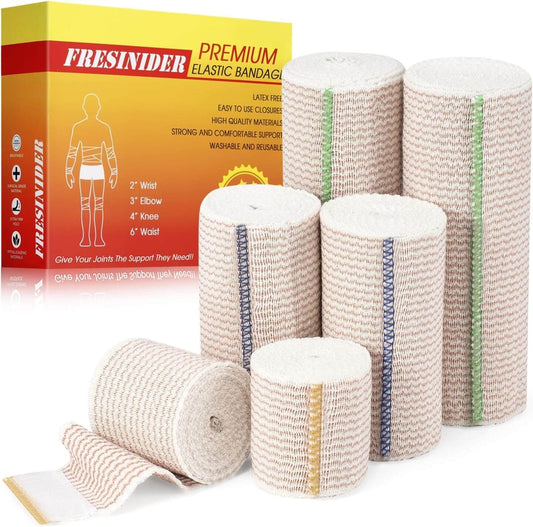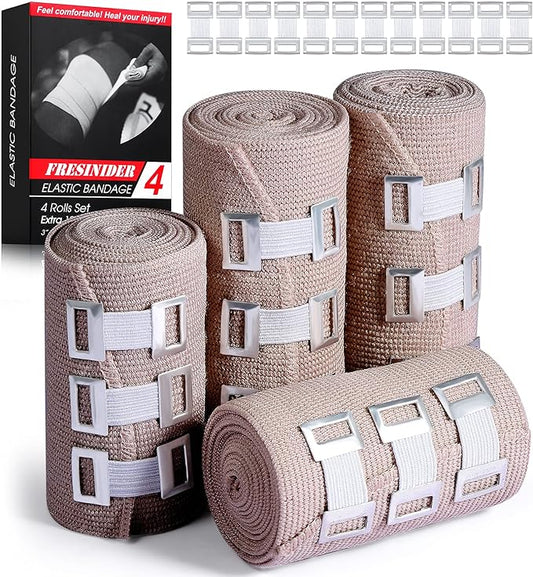

How Long Do Lymphedema Wraps Stay On?

How long lymphedema wraps stay on depends on which phase of treatment you are in, what type of wrap you use, and how your limb and skin respond. There is no single “correct” number of hours for everyone, but there are fairly consistent patterns in lymphedema guidelines and clinics.
This guide gives a practical, evidence-informed overview that you can adapt together with your certified lymphedema therapist (CLT).
1. Quick answer: typical wear-times for lymphedema wraps
Based on Complete Decongestive Therapy (CDT) protocols and specialist clinics, typical patterns look like this:
-
Intensive “reduction” phase (Phase 1 of CDT)
- Type of wrap: multilayer short-stretch bandages with padding/foam.
- Typical wear-time: worn about 23 hours per day, removed only for bathing and skin care, then re-applied.
- Change frequency: re-wrapped at least once daily, often by a therapist or trained patient/caregiver.
- Duration of this phase: usually 2–6 weeks, sometimes longer, until limb volume plateaus.
-
Maintenance phase (Phase 2 of CDT)
- Daytime: usually elastic compression garments or adjustable wraps, worn most of the day and removed at night.
- Nighttime: many people use special night garments or wrap systems; these may be worn overnight only or up to 23 hours/day during flare-ups, depending on the product and therapist advice.
In simple terms:
- In early treatment, wraps are on almost all the time between daily changes.
- Once you are in maintenance, wraps and garments usually follow a day-and-night routine set by your therapist (often day garments plus optional night wraps).
2. What actually determines how long your wrap can stay on?
Your therapist will decide your schedule based on:
- Treatment phase – reduction versus maintenance.
- Type of wrap – multilayer bandages, adjustable Velcro wraps, special night garments, etc.
- Limb status – how swollen, how fibrotic, how quickly volume changes.
- Skin condition – fragile skin, wounds, history of infection.
- Your mobility and daily routine – work, sleep, bathing, exercise.
- Safety factors – circulation, sensation, and other medical conditions.
Because these vary so much, wear-time always has to be individualized.
3. Intensive phase: how long multilayer bandages stay on
During the intensive phase of CDT, bandaging is used as a therapeutic tool to actively decongest the limb. Standard CDT descriptions are fairly consistent:
- Short-stretch bandages with foam or padding are applied in multiple layers.
- They are worn about 23 hours per day.
- They are removed for a short time to bathe and for skin care, then re-applied.
- This pattern typically continues daily for 2–4 (sometimes up to 6) weeks, depending on how much fluid needs to come out and how firm the tissues are.
Why you do not just leave one wrap on for a week
Even though the limb is wrapped “around the clock”, a single set of bandages is not left on for many days in a row:
- As swelling reduces, the bandages loosen and lose their pressure gradient.
- Skin needs regular inspection for redness, folds, or early infection.
- Moisture, sweat, and friction build-up can irritate the skin if wraps are not changed.
Most programs therefore change the bandages at least once daily. Some clinics or home programs may stretch to 36–48 hours between changes in specific situations, but only if a therapist has approved it and the skin looks healthy.
4. Maintenance phase: how long to wear wraps and garments
Once limb volume has been reduced, treatment shifts to keeping it stable over the long term.
4.1 Daytime
In the maintenance phase:
- Most people wear elastic compression garments (sleeves, stockings, custom flat-knit garments) during the day, usually for 8–12 or more hours, depending on their routine.
- Some use adjustable wraps instead of, or in addition to, stockings, especially if hands are weak, swelling fluctuates a lot, or they need more “short-stretch style” containment.
Daytime wraps and garments are typically removed at night unless your therapist specifically wants 24-hour compression.
4.2 Nighttime
At night, there are several options:
- No compression at night for mild, well-controlled lymphedema.
- Special night garments or quilted wraps that provide softer, more even pressure while you sleep.
- Multilayer bandaging or wrap garments 23 hours/day during flare-ups or in more advanced disease.
In practice, many clinicians recommend adjustable wraps and padded garments more often for nighttime, while stockings and sleeves dominate daytime use.
5. How long can you leave a single wrap application on?
Patients often really mean: “How long until I have to take this wrap off and redo it?” Here are general patterns (always defer to your CLT):
Short-stretch multilayer bandages
- Maximum wear per application: usually up to 24 hours.
- If the limb is still reducing very quickly, your therapist may shorten this (for example, changing in the clinic in the morning and re-wrapping again at night).
- If bandages become too loose, slip, or bunch, they should be removed and re-applied sooner, because uneven pressure can act like a tourniquet.
Some clinic FAQs say that if you can safely keep bandages on until your next treatment, you should, but that assumes your next session is within a day or so, not many days away.
Adjustable Velcro wraps
- These are designed to be taken on and off more easily than bandages.
- Your therapist might recommend:
- Daytime only (8–12+ hours), removed at night, or
- Day and night during certain phases (up to 23 hours/day), with short breaks for skin checks and bathing.
- Because swelling can change quickly, wraps often need re-tightening or loosening every few hours to maintain a gentle gradient without over-compression.
6. Do you sleep in lymphedema wraps?
During intensive bandaging
Yes. During the reduction phase of CDT, multilayer bandages usually stay on overnight, so the limb is compressed 24 hours a day except for brief breaks.
During maintenance
- Standard elastic stockings and sleeves are usually not worn at night, because they are designed for upright daytime use and can be too constrictive in bed.
- If nighttime compression is needed, therapists typically recommend:
- Multilayer bandaging, or
- Special night garments or wrap systems made for sleeping.
Never decide on your own to sleep in a garment that is not meant for nighttime use. Ask your CLT or prescriber first.
7. Warning signs your wrap has been on too long or is too tight
Remove the wrap and contact your therapist (or seek urgent care if severe) if you notice:
- New or worsening pain, throbbing, or severe pressure in the wrapped area.
- Numbness, tingling, pins and needles, or loss of feeling.
- Toes or fingers turning blue, very pale, or cold.
- Deep indentation marks or blistering where bandages or straps end.
- Sudden shortness of breath, chest pain, or extreme swelling (emergency).
A properly applied lymphedema wrap should feel snug but tolerable, not painful, burning, or cutting into the skin. It should allow you to move your joints and perform gentle exercises.
8. Practical tips for safe wear-time
- Know your phase. Ask clearly: “Am I in the reduction phase or maintenance phase? What is my target schedule?”
- Get hands-on training. Proper wrapping and unwrapping is as important as the number of hours you wear the wrap.
- Check your skin every day. Look for redness, skin folds, cracks, or signs of infection such as warmth, streaks, or fever.
- Keep a wrap diary. Note how long wraps stay on, when they loosen, and how your limb feels; share this with your CLT to fine-tune the schedule.
- Do not adjust your schedule alone. If you want to wear wraps for fewer or more hours, discuss it at your next appointment or via phone or patient portal.
- Replace worn-out garments. When you move from bandages to long-term garments, remember that sleeves and stockings usually need replacing every few months to keep the compression accurate.
9. FAQs about lymphedema wrap wear-time
Q1. Can I shower with my lymphedema wraps on?
Most bandaging protocols recommend removing wraps for bathing, then re-wrapping on clean, dry skin. Some people use waterproof covers for short showers, but soaking bandages can alter pressure and irritate skin, so ask your therapist what is safe for your specific system.
Q2. What if my wraps slip or feel loose before 24 hours?
Do not just leave them in place. Slipped bandages can create tight bands and uneven pressure. Remove and re-wrap, or have your caregiver or therapist help you. If they slip often, you may need a different technique, padding, or wrap style.
Q3. How long will I need lymphedema wraps overall?
- Bandage-heavy reduction phase: usually a few weeks until limb volume stabilizes.
- Maintenance phase: lifelong, but often with daytime garments and wraps used at night or during flare-ups, rather than constant multilayer bandaging.
Q4. Is it dangerous to wear wraps too long?
Yes, it can be. If wraps are left on after they have slipped, become too tight, or if they prevent proper skin care, they can cause pressure damage or mask infection. That is why daily skin checks and a clear plan with your CLT are so important.
10. Key takeaway
There is no single magic number of hours for everyone, but most people with lymphedema will:
- Wear multilayer bandages almost 24 hours a day with daily changes during the initial reduction phase.
- Transition to a mix of daytime garments and targeted wraps (often at night or during flares) in the maintenance phase.
The safest answer to “How long do lymphedema wraps stay on?” is:
As long as your certified lymphedema therapist prescribes — and no longer than your skin and circulation are happy with between regular checks and re-wrapping.