
What Is a Silicone Wound Contact Layer

If you’ve ever removed a dressing and felt it pull on the wound (or leave skin red and irritated), you already understand why silicone wound contact layers exist.
A silicone wound contact layer (sometimes called a silicone contact layer dressing) is a thin, flexible, non-adherent layer designed to sit directly on the wound or fragile skin. It helps reduce sticking during dressing changes and allows wound fluid to transfer into an absorbent secondary dressing placed on top.
This guide covers what it is, how it works, when to use it, and how to apply it correctly—especially for sensitive skin.
What is a silicone wound contact layer?
A silicone wound contact layer is a soft silicone interface dressing that goes closest to the wound bed. It is typically perforated/open-mesh, which means fluid can pass through it.
Think of it as a “gentle buffer” between the wound and the outer dressing.
What it’s not
It’s not meant to be the main absorbent dressing. Most contact layers do not absorb much fluid on their own. That’s the job of the secondary dressing.
How does it work?
A silicone contact layer works in three simple ways:
1) Helps reduce sticking
Soft silicone is designed to adhere gently to intact skin while minimizing adhesion to the moist wound surface. That’s why many people describe removal as “atraumatic” or more comfortable.
2) Protects new tissue during dressing changes
Because the layer is less likely to bond to the wound bed, it can help reduce disruption to fragile healing tissue when you change dressings.
3) Transfers exudate (wound fluid) to a secondary dressing
The open-mesh/perforated structure allows fluid to pass into an absorbent pad, gauze, or foam dressing placed on top—helping keep the contact layer from becoming a soggy “bottleneck.”

When should you use a silicone contact layer?
People typically use a silicone wound contact layer when comfort and skin protection matter most—especially when dressings need to be changed more than once.
Common use cases include:
- Sensitive or fragile skin
- Skin tears or delicate peri-wound skin
- Surgical sites (follow provider instructions)
- Abrasions where dressings tend to stick
- Burns (especially if the area is painful or delicate—seek medical advice for more serious burns)
- Chronic wounds where minimizing trauma during dressing changes is important (seek medical guidance)
Tip: If the wound is heavily draining, the contact layer can still be used, but your secondary dressing choice matters a lot more.
Do you need a secondary dressing?
In most cases: yes.
Because a silicone contact layer is mainly a protective interface, it usually requires:
- A secondary absorbent dressing (gauze pad, foam dressing, absorbent pad), and
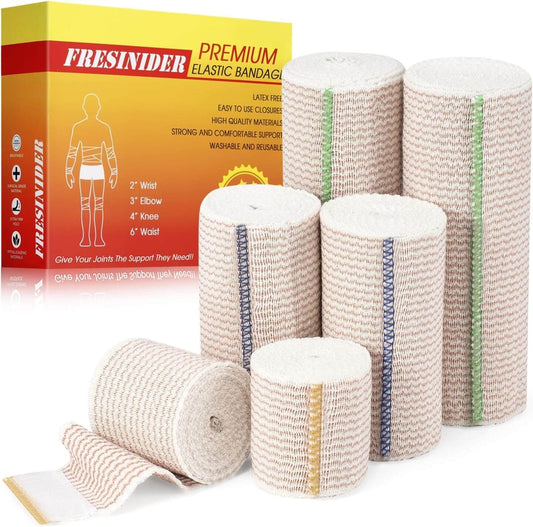
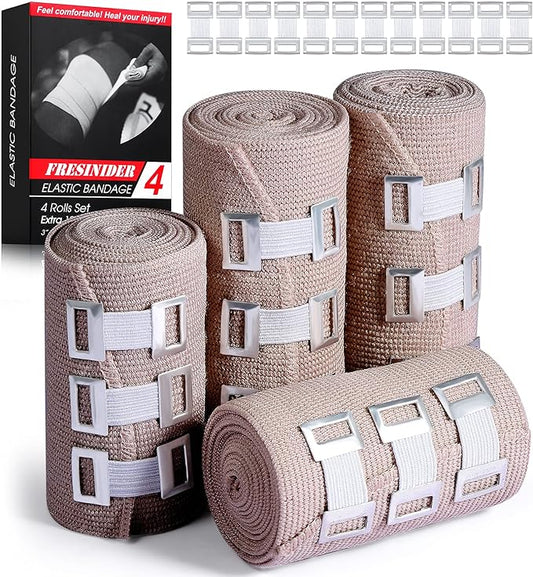
- A fixation method (retention tape, wrap, or bandage) to keep everything in place.
What secondary dressing should you choose?
Use the wound’s drainage level as your guide:
- Light drainage: non-woven pad or gauze pad
- Moderate drainage: thicker absorbent pad or foam dressing
- Heavy drainage: higher-absorbency options + more frequent changes per medical advice
How to use a silicone wound contact layer (step-by-step)
Here’s a simple workflow that matches how most people apply these dressings at home.

1) Clean and dry the surrounding skin
- Wash hands
- Clean the wound as directed (saline is common)
- Gently pat surrounding skin dry
2) Apply the silicone contact layer
- Peel off the backing (if it has one)
- Place the contact layer directly over the wound/affected area
- Smooth lightly so it sits flat (don’t stretch hard)
3) Add a secondary dressing
- Place a gauze pad/foam/absorbent dressing on top
- Make sure the absorbent pad fully covers the contact layer area
4) Secure everything
- Use a gentle fixation method: retention tape, wrap, or bandage
- Press edges down without pulling tight
Tip: If you’re using fixation tape, avoid over-tensioning (pulling too tight), especially on fragile skin.

FRESINIDER Silicone Wound Contact Layer
- Non-adherent, soft silicone — helps reduce sticking during dressing changes
- Open-mesh design — supports exudate transfer to a secondary dressing
- Gentle removal — designed for fragile & sensitive skin
- Cut-to-fit — conforms to curves like elbows, shoulders & heels
A gentle, non-adherent contact layer designed to support comfortable dressing changes.
How often should you change it?
There isn’t one perfect schedule for everyone. It depends on drainage level, comfort, skin condition, and your clinician’s instructions.
A safe, general rule: change whenever the secondary dressing becomes wet/soiled/loose, or as instructed by a healthcare professional.
Tips for sensitive skin (make it more comfortable)
If your audience includes caregivers, elderly skin, or anyone who reacts to adhesives, these tips help a lot:
- Use skin-friendly fixation (hypoallergenic, latex-free options when possible)
- Avoid aggressive stretching when taping—tension causes irritation
- Remove slowly: peel back low and slow, parallel to skin
- Consider a barrier film if recommended by a clinician (especially for very fragile skin)
Choosing the right size (and when to cut)
A silicone contact layer should cover the wound area, plus a small margin around it (so the secondary dressing isn’t rubbing directly on sensitive skin).
If your product is cut-to-size, that’s a big plus for odd-shaped areas (elbows, shoulders, heels). Just ensure the secondary dressing still covers the full area.
Silicone contact layer vs. other common options
Silicone contact layer vs. non-adherent pads (like Telfa-style pads)
Contact layer: designed to be a skin-friendly interface and support easier dressing changes, often with open mesh for fluid transfer.
Non-adherent pad: can work for simple wounds but may not be as conformable or as gentle depending on material and adhesion behavior.
Silicone contact layer vs. hydrocolloid
Contact layer: typically needs a secondary dressing; focuses on non-sticking + comfort.
Hydrocolloid: usually a “primary dressing” with adhesive border; can be great for specific wound types but may not suit everyone, especially if skin reacts to stronger adhesives.
FAQ
Can you use a silicone contact layer on sensitive skin?
Yes—this is one of the most common reasons people choose it. It’s often used to support more comfortable dressing changes.
Does a silicone contact layer absorb fluid?
Not much. It’s mainly a protective interface designed to allow fluid to pass into an absorbent secondary dressing.
Can I use it without a secondary dressing?
Usually not recommended. Without a secondary absorbent layer, fluid management is limited and the dressing may not stay secure.
Is it sterile?
Some are sterile and some are non-sterile. Use according to the packaging instructions and clinical guidance.
When should I see a healthcare professional?
If you see increasing redness, swelling, warmth, worsening pain, fever, pus-like drainage, or the wound isn’t improving, seek medical advice. For general first-aid guidance on cuts and scrapes, see Mayo Clinic’s resource: Cuts and scrapes: First aid.
Final thoughts
If you want a more comfortable dressing change—especially for fragile or sensitive skin—a silicone wound contact layer can make a noticeable difference. Pair it with an absorbent secondary dressing and a gentle fixation method for best results.