
What Is Dressing Retention Tape Used For?

Dressing retention tape (often called medical fixation tape) is a soft, flexible adhesive tape designed to keep wound dressings and absorbent pads securely in place—especially when you need a wider, more comfortable hold than standard surgical tape can provide.
In this guide, you’ll learn what it’s used for, when it’s a good choice, and how to apply/remove it with less skin irritation.
What is dressing retention tape?
Dressing retention tape is typically a non-woven fabric tape with a skin-friendly adhesive backing. It’s made to:
- conform to body curves and joints,
- allow airflow (breathable),
- help keep dressings from lifting or shifting,
- and provide a comfortable hold for daily wear.
What it’s not: It’s not meant to replace an absorbent dressing. Its main job is fixation—keeping dressings and bandages in place.
What is dressing retention tape used for?
1) Securing wound dressings and absorbent pads
The most common use is holding gauze pads, foam dressings, and post-procedure dressings in place—especially when movement or friction makes edges lift.

2) Post-procedure dressing support
Retention tape helps stabilize larger dressings after procedures so they stay put during day-to-day activity. (Always follow your provider’s instructions for post-op care.)

3) Dressing areas where normal tape fails
It’s especially helpful on body areas that move a lot or have curves, such as elbows, knees, shoulders, arms, and legs—where narrow strips of tape don’t provide enough surface area to hold comfortably.

Why retention tape is often better than “regular” tape for dressings
- More conformable: Designed to flex with your body without feeling rigid.
- Breathable: Non-woven fabric can help keep skin more comfortable during extended wear.
- Skin-friendly options: Many are hypoallergenic and latex-free, which can be a better match for sensitive skin.
Shop tip: If you’re securing a dressing often (daily changes or frequent movement), choose a breathable, non-woven fixation tape for comfort.
When NOT to use retention tape (or when to be extra careful)
- Very fragile skin: Even gentle adhesives can irritate or damage delicate skin if removed too quickly. Use slow removal technique and follow clinical guidance.
- Known allergies or irritation: If you develop itching, blistering, rash, or burning, discontinue use and consult a clinician.
- Heavily draining wounds: Tape won’t fix saturation—use an appropriate absorbent dressing and change as needed per guidance.
How to apply dressing retention tape (best-practice steps)
Step 1) Prep the skin
- Wash hands.
- Clean the wound as directed and dry the surrounding skin.
- Dry skin improves adhesion and reduces slipping.
For general first-aid guidance on minor cuts and scrapes, see Mayo Clinic: Cuts and scrapes: First aid.
Step 2) Place the dressing first
Position your gauze pad/foam dressing/absorbent pad where it needs to be.
Step 3) Cut tape to size (don’t stretch tight)
- Cut a piece wide enough to anchor on clean, dry skin around the dressing.
- Avoid pulling tight—tension increases irritation and edge-lift later.
Step 4) Smooth from center outward
Press gently from the middle to the edges to reduce wrinkles and improve hold.
Internal link suggestion: If you want a breathable, skin-friendly fixation option, check our Dressing Retention Tape.

How to remove retention tape without pain or skin irritation
- Peel low and slow: Remove parallel to the skin (not straight up).
- Support the skin: Use your free hand to press the skin down as you peel.
- Take your time: Rushing removal is a common cause of redness and discomfort.
More professional guidance on cleaning and dressing wounds can be found in Merck Manual: How to cleanse, irrigate, debride, and dress wounds.
How long can you wear dressing retention tape?
Wear time depends on skin tolerance, moisture, activity level, and dressing type. As a safe rule, replace the tape/dressing when it becomes wet, dirty, loose, or as instructed by a healthcare professional.
FAQ
Is dressing retention tape the same as surgical tape?
Not exactly. “Surgical tape” includes many types (paper, cloth, film). Retention tape is usually wider and made to secure dressings comfortably—especially for movement and larger coverage.
Can I use it to secure gauze on a joint?
Yes—this is a common use case because a conformable retention tape can help keep dressings stable on areas like knees and elbows.
When should I see a healthcare professional?
If you see increasing redness, swelling, warmth, worsening pain, fever, pus-like drainage, or the wound isn’t improving, seek medical advice.
Recommended pairing: contact layer + absorbent dressing + fixation
If your goal is a more comfortable dressing change (especially for sensitive or fragile skin), a silicone wound contact layer can be used under an absorbent secondary dressing—then secured with retention tape.
Final thoughts
Dressing retention tape is used to keep dressings, gauze pads, and medical bandages securely in place—comfortably and reliably. Choose breathable, skin-friendly options, apply without tension, and remove low and slow for best results.
Note: This article is for general information and does not replace medical advice. For serious wounds or concerns, consult a healthcare professional.

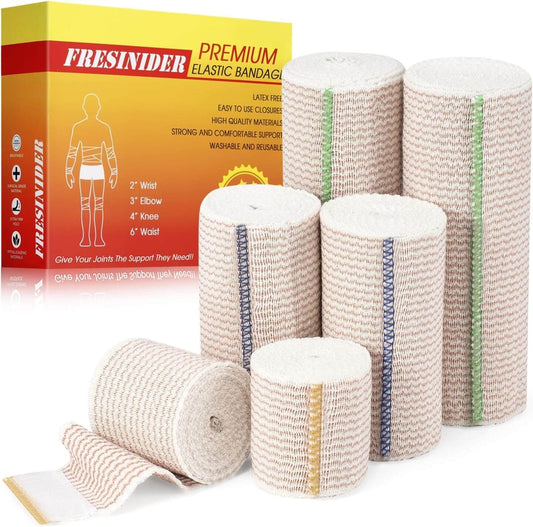
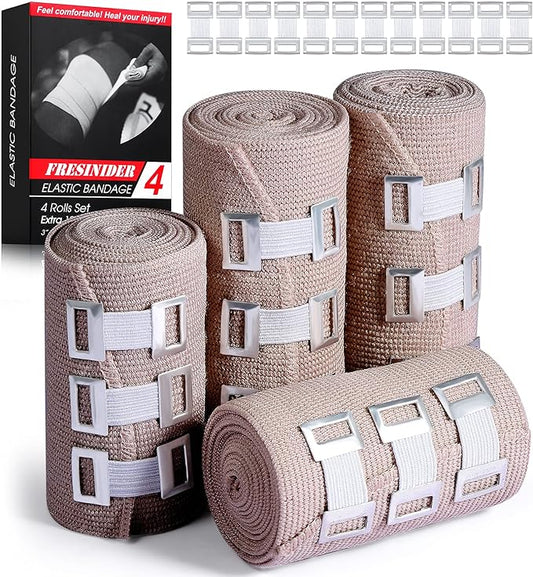
FRESINIDER Dressing Retention Tape
- Secure fixation — helps hold dressings, gauze pads & bandages in place
- Breathable non-woven — comfortable for extended wear
- Skin-friendly adhesive — gentle hold with clean removal
- Grid backing — easy to measure, cut, and reduce waste