
How to Choose the Right Dressing for Skin Tear?

If you’re searching for “skin tear dressing”, you’re probably caring for an older adult with fragile, “paper-thin” skin – and you’ve already discovered that the wrong dressing can do more harm than good.
Skin tears are now recognized as a distinct wound type, rather than just “minor cuts”, and international guidance puts a lot of emphasis on using atraumatic dressings that protect fragile skin while the wound heals.
This guide brings together key principles from widely used skin-tear frameworks, clinical studies on soft silicone dressings, and bedside experience to help you choose the right skin tear dressing in real life.
1. What is a skin tear?
A skin tear is a traumatic wound caused by friction, shear, or blunt force that separates the epidermis from the dermis (partial-thickness) or both from deeper structures (full-thickness). It is especially common in:
- Older adults
- People on steroids or anticoagulants
- Long-term care, hospital, and hospice patients
- Anyone with thin, fragile, or chronically dry skin
Why dressing choice matters so much:
- The peri-wound skin is extremely fragile.
- Repeated dressing removal can create new skin tears around the original wound.
- Poor dressing selection increases pain, exudate problems, and infection risk.
2. The ISTAP classification – why it matters for dressing choice
The ISTAP (International Skin Tear Advisory Panel) Skin Tear Classification System is widely used in modern wound care and divides skin tears into three types:
-
Type 1 – No skin loss
The skin flap is present and can fully cover the wound bed. -
Type 2 – Partial flap loss
Part of the flap is missing or cannot be repositioned; the wound bed is partially exposed. -
Type 3 – Total flap loss
The skin flap is completely absent; the wound bed is fully exposed.
Why this matters for dressings:
- Type 1: Preserve the flap and use very gentle, non-adherent dressings (usually soft silicone).
- Type 2 & 3: Treat more like open wounds, but still prioritize low-trauma dressings and moisture balance.
3. What makes a good skin tear dressing?
Across guidelines, the “ideal” skin tear dressing should:
- Control minor bleeding and exudate.
- Be non-adherent to the wound bed and flap.
- Not cause trauma on removal.
- Protect the wound from friction and shear.
- Conform to curved body areas such as arms, hands, and shins.
- Protect the fragile peri-wound skin.
- Allow extended wear time so fewer dressing changes are needed.
- Be simple enough for nurses and caregivers to apply correctly.
In practice, these goals have pushed the field strongly toward soft silicone dressings as first-line choices for most skin tears.
4. Main types of dressings used for skin tears
4.1 Soft silicone foam dressings
Silicone foam dressings are the most frequently recommended option for skin tears, especially in older adults.
Typical features:
- A soft silicone contact layer that adheres gently to dry skin but not to the moist wound bed, so it can be lifted with minimal trauma.
- An absorbent foam core that manages mild to moderate exudate and provides cushioning over bony areas.
- Bordered versions with a thin adhesive edge can both dress and secure the wound in one step.
Clinical audits and trials have shown that soft silicone foam dressings can improve healing rates, reduce pain at dressing change, and support “undisturbed wound healing” by allowing longer wear times.

FRESINIDER Silicone Foam Dressing
Gentle silicone foam pad designed to protect fragile skin and manage mild to moderate exudate in skin tears.
- Soft silicone contact layer lifts away with minimal pain at dressing changes.
- Cushioned foam core helps offload bony or friction-prone areas.
- Waterproof yet breathable border seals out water and dirt during daily activities.
4.2 Soft silicone wound contact layers (mesh)
Soft silicone wound contact layers (also called silicone mesh or silicone contact layers) are very thin, flexible sheets placed directly on the wound and flap.
Key points:
- Designed to protect the flap and wound bed without sticking to it.
- Do not absorb exudate; they must be combined with a secondary absorbent dressing (foam, pad, etc.).
- Particularly useful for Type 1 skin tears where the flap can be realigned and used as a “biologic dressing”.
4.3 Non-adherent contact layers
Non-silicone, non-adherent contact layers (for example, impregnated gauze and other low-adherence sheets) are sometimes used when silicone products are not available.
Compared to silicone, they:
- Are usually less expensive but may be more likely to stick and cause pain.
- May not protect the peri-wound skin as well during repeated dressing changes.
4.4 Transparent film dressings
Transparent film dressings are very thin polyurethane films with an adhesive backing.
They can be helpful when:
- The skin tear has minimal exudate.
- You need a waterproof, protective cover over a primary dressing.
- Visual inspection of the wound is important.

Because they do not absorb exudate, they are not suitable as the only dressing for wounds with moderate to heavy drainage.

FRESINIDER Transparent Film Dressing
Clear, waterproof cover to protect low-exudate skin tears or primary dressings while allowing easy visual checks.
- Thin PU film creates a waterproof barrier against water, sweat, and external contaminants.
- Flexible, breathable design conforms to joints and curved areas without limiting movement.
- Latex-free adhesive is gentle on sensitive or elderly skin and removes cleanly with minimal irritation.
4.5 Foam dressings (non-silicone)
Non-silicone foam dressings can also manage exudate and provide cushioning, but border adhesives based on traditional acrylic glues may be too aggressive for fragile skin.
If used in skin tears, many clinicians choose:
- Foams with minimal or no adhesive border, secured with soft wraps.
- Foams placed over a silicone contact layer to protect the wound bed.
4.6 Hydrogel dressings
Hydrogel dressings donate moisture and are occasionally used when a skin tear is very dry or has adherent, dry necrotic tissue.
They are not usually first-line for typical fresh skin tears, which tend to be moist rather than dry, but can be part of an overall moisture-balance strategy in selected cases.
4.7 Alginate and other highly absorptive dressings
Alginate dressings and other highly absorptive products may be used when the skin tear has significant bleeding or heavy exudate.
Common practice is to:
- Place a soft silicone contact layer on the wound and flap.
- Layer alginate or another absorbent dressing on top to manage excess fluid.
4.8 Dressings and methods usually avoided
For older or very fragile skin, many wound-care resources recommend avoiding:
- Hydrocolloid dressings on skin tears, because they adhere firmly and may strip skin on removal.
- Dry gauze, which can stick to the wound bed and injure new tissue when removed.
- Strong traditional adhesive tapes directly on fragile peri-wound skin, due to the risk of causing new tears.
5. Dressing selection by skin tear type
Many wound-care teams combine the ISTAP classification with a simple dressing selection pathway.
Type 1 – No skin loss (flap can be repositioned)
Goals: Preserve the flap, protect it like a “biological dressing”, and avoid shear.
Typical approach:
- Gently realign and smooth the flap back into place.
- Apply a soft silicone contact layer (mesh) over the flap and wound bed.
- Add a secondary absorbent dressing (foam or pad) if needed.
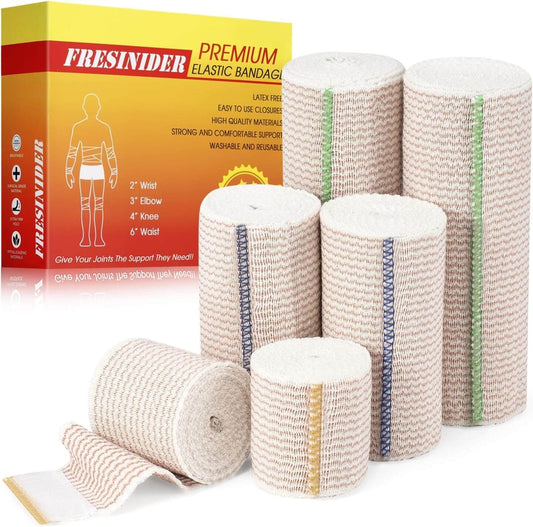
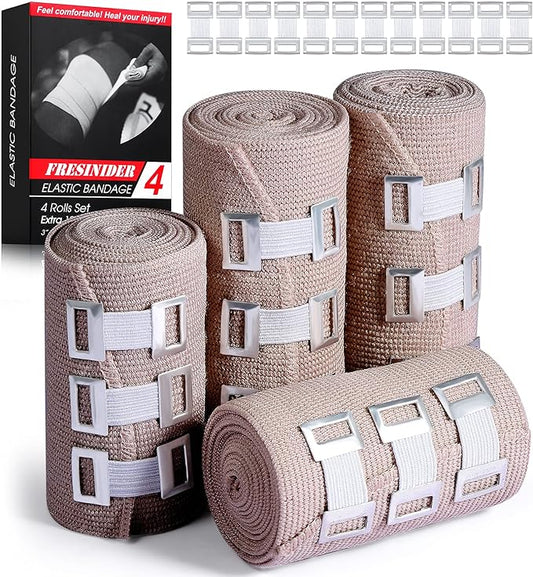
- Secure with a soft conforming bandage, tubular bandage, or low-tack adhesive border.
- Leave in place as long as safely possible if the wound is clean, dry, and non-infected.
Type 2 – Partial flap loss
Goals: Protect the remaining viable flap, manage exposed areas, and control exudate.
Typical approach:
- Use a silicone contact layer to protect both the flap and the exposed wound bed.
- Select a silicone foam dressing or another absorbent secondary dressing according to exudate level.
- Consider a shorter initial wear time (24–72 hours) to reassess flap viability.
Type 3 – Total flap loss
Goals: Treat as an open wound while still protecting the surrounding fragile skin.
Typical approach:
- Apply a silicone contact layer or other low-trauma non-adherent dressing to the wound bed.
- Overlay with foam or other absorbent dressing according to exudate.
- Avoid aggressive adhesives on the peri-wound skin.
- Use tubular bandages or soft wraps for fixation when skin tears occur on shins or forearms.
6. Step-by-step: how to apply a skin tear dressing
The following is a generalized process that should always be adapted to local policy and clinical judgement.
-
Control bleeding
Apply gentle pressure with a non-adherent pad or sterile gauze. Elevate the limb if appropriate. -
Cleanse the wound gently
Use normal saline or a suitable wound cleanser. Avoid harsh scrubbing or strong antiseptics unless infection is present. -
Assess and classify the tear
Determine ISTAP Type 1, 2, or 3. Note flap viability, exudate level, and the condition of the surrounding skin. -
Realign the skin flap (Type 1 and some Type 2)
Use moistened gloved fingers or tweezers to gently smooth the flap back over the wound. Do not trim away tissue that still appears viable. -
Apply the primary dressing
Place a soft silicone contact layer or silicone foam dressing over the flap or wound, extending beyond the edges, and ensure it lies flat without creases or tension. -
Add a secondary dressing if needed
Use a thin foam or absorbent pad for low exudate, or a more absorptive foam/alginate for moderate exudate, always considering the fragility of the skin. -
Secure without trauma
Use a soft conforming bandage, tubular bandage, or low-tack adhesive borders. Avoid strong tapes directly on fragile skin. -
Label and document
Record ISTAP type, dressing used, and review date. Dating the dressing and indicating removal direction can help reduce unnecessary manipulation. -
Plan review and change frequency
Many teams review within 24–72 hours and then move to longer wear (up to several days) if the wound is stable and exudate is controlled. Fewer changes support “undisturbed wound healing”.
7. Special considerations: elderly and high-risk patients
Skin tears are both a wound and a patient-safety issue, especially in older adults and medically complex patients.
When choosing a skin tear dressing and fixation method:
- Assume the surrounding skin is at high risk of further tearing.
- Avoid frequent “peek” dressing changes – choose products that support longer wear time.
- Be cautious with patients on steroids, anticoagulants, or with dementia, who may move or pull at dressings.
- Combine good dressing choice with prevention strategies: limb protectors, long sleeves, padded bed rails, careful transferring and handling techniques, and staff education.
8. Red flags: when a “simple” skin tear isn’t simple
Seek urgent wound-care or medical review if you see:
- Rapidly increasing redness, warmth, swelling, or pain.
- Pus-like drainage or a foul odor.
- Spreading cellulitis beyond the immediate peri-wound area.
- Signs of ischemia such as a cold, pale limb or absent pulses.
- Fever or other systemic symptoms.
These may signal infection, underlying arterial disease, or other conditions that dressing choice alone cannot fix.
9. FAQ: skin tear dressing
1. What is the best dressing for a skin tear?
For most skin tears in older adults, many guidelines favor soft silicone dressings—either a silicone contact layer plus a secondary absorbent dressing, or a silicone foam dressing—because they combine atraumatic removal, conformability, and moisture control.
2. How often should I change a skin tear dressing?
Change frequency depends on exudate level and product, but many silicone dressings are designed for extended wear (often several days) when the dressing is intact, not leaking, and there are no signs of infection. Frequent, unnecessary changes increase the risk of new skin tears and pain.
3. Can I use regular adhesive bandages on a skin tear?
Generally no. Standard adhesive strips and strong tapes can cause new tears when removed and do not provide optimal moisture balance. Using low-tack adhesives, silicone-based products, or soft wraps is usually safer for fragile skin.
4. Are hydrocolloid dressings good for skin tears?
Hydrocolloids are usually not the first choice for skin tears on aged, fragile skin because they adhere firmly and may cause trauma on removal. They are better suited to other wound types in patients with more resilient skin.
10. Key takeaways
- Classify first with ISTAP (Type 1–3), then choose the dressing.
- Soft silicone dressings—contact layers and foams—are the go-to option for most skin tears because they protect fragile skin and minimize pain.
- The best skin tear dressing is one that stays on, manages exudate, and comes off without stripping the skin.
- Combine smart dressing choice with prevention, gentle handling, and staff education to reduce recurrence and improve healing outcomes.