
Eversion Ankle Sprain: Symptoms, Causes, Treatment & Recovery Guide

An eversion ankle sprain is a type of ankle injury that occurs when the foot rolls outward, placing stress on the ligaments located on the inside of the ankle. While most ankle sprains involve the foot rolling inward, eversion sprains are less common but can sometimes be more serious because they affect the strong deltoid ligament.
This guide explains the symptoms, causes, treatment options, and recovery time for eversion ankle sprains. You'll also learn how compression support such as a cohesive bandage can help stabilize the ankle during recovery.
What Is an Eversion Ankle Sprain?
An eversion ankle sprain happens when the ankle joint is forced outward, causing the inner ankle ligament (the deltoid ligament) to stretch or tear. This usually occurs during sports activities, sudden changes in direction, or awkward landings.
Unlike the more common inversion sprain, which affects the outer ankle ligaments, eversion injuries involve the medial side of the ankle and may sometimes be associated with fractures or more complex injuries.
Eversion vs Inversion Ankle Sprain
| Type | Direction | Ligament Affected | Frequency |
|---|---|---|---|
| Eversion Sprain | Foot rolls outward | Deltoid ligament | Less common |
| Inversion Sprain | Foot rolls inward | Lateral ligaments | Most common ankle sprain |
Common Causes of an Eversion Ankle Sprain
Eversion ankle sprains usually occur during activities that place sudden stress on the ankle joint. Some of the most common causes include:
- Landing awkwardly after jumping
- Sudden changes in direction during sports
- Running on uneven surfaces
- Previous ankle injuries that weaken joint stability
- High-impact sports such as basketball, soccer, or football
Symptoms of an Eversion Ankle Sprain
The symptoms of an eversion ankle sprain can vary depending on the severity of the ligament injury. However, common signs include:
- Pain on the inner side of the ankle
- Swelling and bruising
- Difficulty putting weight on the injured foot
- Reduced range of motion
- Instability when walking
These symptoms are typical ankle sprain symptoms and should be evaluated by a healthcare professional if they worsen or persist.
How Is an Eversion Ankle Sprain Diagnosed?
Doctors typically diagnose ankle sprains through a physical examination and by reviewing how the injury occurred. In some cases, imaging tests may be recommended:
- X-rays to rule out fractures
- MRI scans to evaluate ligament damage
- Ultrasound imaging for soft tissue assessment
A proper diagnosis helps determine the severity of the injury and the best treatment approach.
Eversion Ankle Sprain Treatment
Treatment usually follows the well-known RICE method:
- Rest: Avoid putting weight on the injured ankle.
- Ice: Apply ice for 15–20 minutes to reduce swelling.
- Compression: Use a wrap or bandage to stabilize the joint.
- Elevation: Keep the ankle elevated above heart level.
Compression is particularly important because it helps control swelling and provides support. Many athletes use a self-adhesive cohesive wrap to stabilize the ankle without restricting circulation.
If you're unsure whether to use rigid tape or flexible wraps, read our detailed comparison of different ankle support tapes.
How to Wrap an Ankle for an Eversion Sprain
Proper ankle wrapping can provide additional support during the healing process. If you're unfamiliar with compression wraps, learn more about how cohesive bandages work.
To wrap an ankle:
- Start wrapping around the midfoot to create a base.
- Continue wrapping upward toward the ankle.
- Use a figure-eight pattern to support the joint.
- Overlap each layer by about 50% for consistent compression.
- Secure the wrap so it is snug but not overly tight.
Compression wraps stick to themselves rather than the skin, making them comfortable for extended wear.

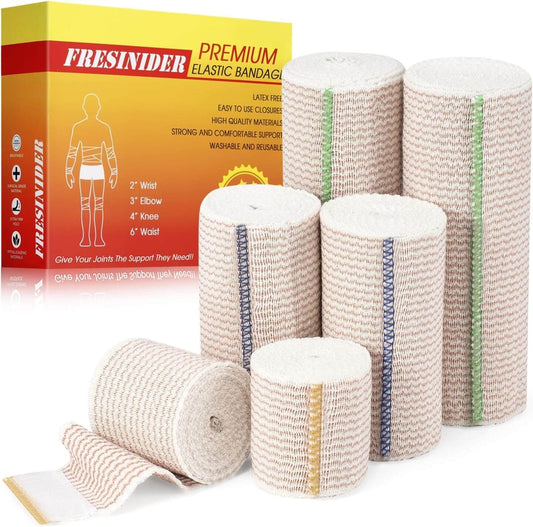
FRESINIDER Cohesive Bandage
- • Self-adhesive — sticks to itself, not skin or hair
- • Provides gentle compression and flexible ankle support
- • Great for sports recovery, mild sprains, and everyday stability
Recovery Time for an Eversion Ankle Sprain
Recovery time depends on the severity of the injury.
| Sprain Severity | Typical Recovery Time |
|---|---|
| Mild | 1–2 weeks |
| Moderate | 3–6 weeks |
| Severe | 8–12 weeks or longer |
When Should You See a Doctor?
While many ankle sprains heal with conservative care, you should seek medical attention if you experience:
- Severe swelling
- Inability to bear weight
- Numbness or tingling
- Visible deformity
- Persistent pain
The American Academy of Orthopaedic Surgeons recommends professional evaluation when symptoms suggest significant ligament damage.
How to Prevent Future Ankle Sprains
Preventing ankle sprains often involves strengthening the muscles around the ankle and improving joint stability. Helpful strategies include:
- Regular ankle strengthening exercises
- Balance and mobility training
- Wearing supportive footwear
- Using compression wraps during sports activities
Supportive wraps can help reduce excessive ankle movement and lower the risk of reinjury.
Final Thoughts
An eversion ankle sprain may be less common than other ankle injuries, but it can still cause significant discomfort and instability. Recognizing the symptoms early and following proper treatment strategies can help speed up recovery.
Rest, compression, and gradual rehabilitation are key components of healing. For athletes or individuals returning to activity, supportive wraps such as cohesive bandages can provide additional stability while the ligaments recover.
FAQ
Is an eversion ankle sprain serious?
It can be more serious than common ankle sprains because it involves the strong deltoid ligament on the inner side of the ankle.
How rare is an eversion ankle sprain?
Eversion sprains are less common than inversion sprains because the deltoid ligament is stronger than the outer ankle ligaments.
Which ligament is injured in an eversion ankle sprain?
The deltoid ligament on the inner side of the ankle is typically affected.
Can compression wraps help ankle sprains?
Yes. Compression wraps can help reduce swelling and provide additional support while the ankle heals.