
Rock Climbers Hands: Skin, Injuries & Protection

Rock climbers’ hands often look rough, strong, and heavily used — and for good reason. Repeated friction, pressure, and grip-intensive movement can lead to calluses, taped fingers, and stronger tendons over time.
What Are Rock Climbers Hands?
Rock climbers’ hands refer to the thickened skin, visible calluses, and finger strength that develop through repeated climbing. Because climbers constantly grip rough rock surfaces or textured climbing holds, their hands gradually adapt by forming protective skin layers and stronger connective tissue.
Although these adaptations help climbers perform better, they also come with challenges such as skin tears, sore joints, and overuse injuries. That’s why experienced climbers combine proper skin care, smart training, and protective tools like finger tape.
Why Do Rock Climbers’ Hands Look Different?
Constant Friction
Rock surfaces and climbing holds repeatedly rub against the skin. Over time, this friction causes the outer layer of skin to thicken, creating protective calluses.
Pressure on Fingertips
Many climbing techniques — such as crimping, pinching, and pocket holds — concentrate body weight directly onto the fingertips. This pressure strengthens finger tendons but can also lead to soreness if training load increases too quickly.
Frequent Training
Most climbers train multiple times each week. The constant grip demand causes the hands to gradually adapt, making the skin tougher and the fingers stronger.
Common Skin Problems Rock Climbers Experience
Calluses
Calluses are the most common change in climbers’ hands. While healthy calluses help protect the skin, excessively thick ones can catch on rock and tear.
Flappers
A flapper occurs when a piece of skin tears away from the fingertip or palm. These injuries are painful and often end a climbing session early.
Split Fingertips
Dry skin combined with friction can cause cracks in the fingertips. Moisturizing and managing calluses can reduce this risk.
Skin Thinning
After long sessions, the outer skin layer can wear down, making fingers feel raw or overly sensitive. Rest and protection are important at this stage.
Common Finger Injuries in Climbers
Pulley Injuries
Finger pulley injuries occur when the ligaments that hold the flexor tendons against the bones become overloaded. Sudden increases in training intensity are a common cause.
For more details on preventing climbing injuries, see this REI climbing injury guide.
Joint Strain
Repeated gripping can inflame finger joints, especially when climbers continue training without enough recovery.
Tendon Overuse
Tendons adapt more slowly than muscles. Gradual progression and adequate rest help reduce the risk of overuse injuries.
How Climbers Protect Their Hands
Skin Care
Climbers often wash their hands after climbing, file down thick calluses, and use moisturizers to keep the skin healthy.
If dry skin is a frequent issue, these dermatologist-backed skin care tips can help.
Smart Training
Managing training volume and taking rest days allows skin and tendons to recover properly.
Using Finger Tape
Many climbers use finger tape to protect weak skin areas, reduce friction, and provide light joint support during training.
If you want to understand how climbers tape their fingers effectively, you can read this guide on using tape effectively.
Why Finger Tape Is Popular Among Climbers
Finger tape helps reduce friction, protect injured skin, and support finger joints during climbing sessions.
Many climbers prefer tapes that are easy to tear, comfortable on the skin, and narrow enough for precise wrapping. Many also use climbing-specific taping techniques during recovery, such as those explained in this climbing taping article.
For climbers who want light joint support and everyday skin protection, a reliable option like this fits easily into a gym bag or chalk bucket.
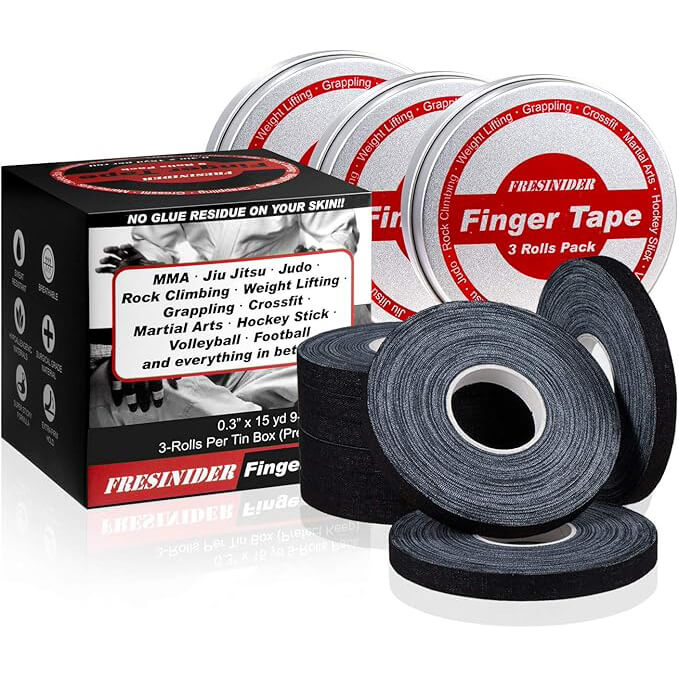
FRESINIDER Finger Tape
- 9 rolls (0.3'' × 45 ft) in durable storage tins
- Trusted by athletes in climbing, BJJ, MMA and more
- 100% cotton, latex-free with clean removal
- Strong grip, easy tear for training and recovery
How to Tape Fingers for Climbing
H-Taping
H-taping supports finger joints while allowing flexibility by placing tape above and below the joint.
X-Taping
X-taping crosses the tape over the joint to increase stability while maintaining natural movement.
Skin Protection Wrap
Wrapping the fingertip helps protect small cuts or flappers from additional friction.
Tips to Keep Your Climbing Hands Healthy
- Keep your skin hydrated
- File thick calluses regularly
- Use tape early when skin feels vulnerable
- Take rest days when skin becomes thin
- Stop climbing if finger pain becomes sharp or persistent
Do Rock Climbers Have Stronger Hands?
Climbing significantly improves grip strength and finger endurance. However, strength alone is not enough — climbers must also manage recovery, skin care, and injury prevention.
FAQs About Rock Climbers Hands
Why do rock climbers have rough hands?
Repeated friction from rock and climbing holds thickens the skin and forms protective calluses.
Do climbers tape their fingers?
Yes. Many climbers use finger tape to protect skin, reduce friction, and support sore joints.
Are calluses good for climbing?
Healthy calluses help protect the skin, but very thick ones should be filed down to prevent tearing.
How do climbers take care of their hands?
Climbers maintain their hands by filing calluses, moisturizing skin, resting when needed, and using tape for protection.
Conclusion
Rock climbers’ hands reflect the demands of the sport. While calluses and rough skin are natural adaptations, proper care and protection are essential for long-term performance.
With good skin care, smart training, and supportive tools like finger tape, climbers can protect their hands and continue improving safely.