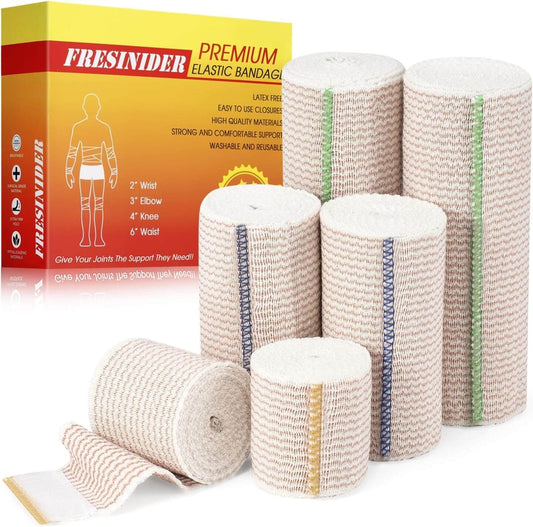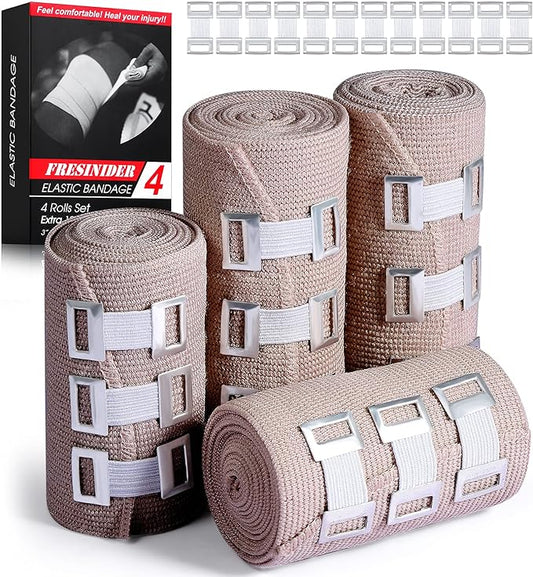

Tubular Bandage Size Chart: How to Choose the Right Size

Choosing the right tubular bandage size is one of the most important steps for getting comfortable, reliable support. A tubular bandage that is too small may feel overly tight, while one that is too large may not provide the support or coverage you want.
In general, the best way to choose the right size is to measure the widest circumference of the area you want to cover, then match that measurement with the intended body area. If you are looking for a reliable option for everyday support, explore our FRESINIDER Elastic Tubular Support Bandage.
Why Size Matters for Tubular Bandages
Tubular bandages are designed to provide light support and even compression while staying in place without clips, pins, or tape. The right size helps improve comfort, support, coverage, and ease of application during daily wear.
- Better comfort during daily activities
- More even support across the covered area
- A more secure fit without bulky fasteners
- Improved flexibility for single or double layer use
How to Measure for a Tubular Bandage
To choose the best size, measure the widest part of the limb or joint you want to support. This means measuring the full circumference around the area, not the flat width and not the cut length of the bandage.
Step-by-Step
- Use a flexible tape measure.
- Wrap it around the widest part of the area being supported.
- Record the measurement without pulling too tightly.
- Use that measurement together with the body area to choose the best size.
- If you are between sizes, choosing the larger size is usually more comfortable.
Important: Width and length are not the same. The size helps determine the width that best fits the body area, while the length can be cut as needed.
Tubular Bandage Size Chart
Below is a general size guide for FRESINIDER Elastic Tubular Support Bandage based on body area:
| Size | Width | Best For |
|---|---|---|
| C | 2.75 in | Wrist, Forearm, Small Ankle |
| D | 3.0 in | Forearm, Elbow, Ankle |
| E | 3.5 in | Calf, Small Knee |
| F | 4.0 in | Knee, Large Calf |
| G | 4.5 in | Large Knee, Thigh |
Start with the body area you want to support, then use the circumference of the widest part to confirm whether you need a smaller or larger option within that range.

FRESINIDER Elastic Tubular Support Bandage
- Multiple sizes for wrist, elbow, ankle, knee, calf, and thigh
- Light to moderate compression for comfortable daily support
- Cut to fit continuous roll for flexible use
- No clips or pins needed for easy application
Which Tubular Bandage Size Is Best for Each Body Area?
Wrist, Forearm, and Small Ankle
For smaller areas, Size C is usually the best place to start. Its narrower profile is well suited to body areas that do not need as much coverage width.
Forearm, Elbow, and Ankle
If you need support for the elbow or a larger ankle area, Size D offers more width and coverage than C while still remaining comfortable for daily use.
Calf and Small Knee
For mid-size areas such as the calf or a smaller knee, Size E is often the most balanced choice.
Knee and Large Calf
For broader coverage across the knee or a larger calf, Size F is typically the better fit.
Large Knee and Thigh
For the widest applications, including the thigh or a larger knee area, Size G is designed to provide more coverage.
Single Layer vs Double Layer Tubular Bandage
Tubular bandages can be used in either a single layer or a double layer, depending on the level of support you want.
Single Layer
A single layer is generally used for lighter support and easier everyday wear.
Double Layer
A double layer is created by cutting a longer piece and folding it back over itself. This usually provides firmer support and a more secure feel than a single layer.
If you plan to use the bandage in a double layer, pay closer attention to fit, especially around joints that bend often.

What If You Are Between Two Sizes?
If your measurement falls between two sizes, choosing the larger size is often the better option for comfort and easier application.
- Choose the larger size if the area has swelling
- Choose the larger size if you want fuller coverage
- Choose the larger size if you plan to fold the bandage back for double-layer use
Common Tubular Bandage Sizing Mistakes
1. Measuring the Wrong Part
Always measure the widest circumference, not a narrower point above or below the joint.
2. Choosing Only by Body Part
Two people can both need knee support and still require different sizes depending on build and coverage needs.
3. Ignoring Single vs Double Layer Use
A size that feels fine in a single layer may feel snug once folded back.
4. Confusing Width with Length
Bandage width helps determine the correct size. Bandage length is cut to fit the area you want to cover.
How to Cut Tubular Bandage to Length
One of the biggest advantages of elastic tubular support bandage is that it can be cut to the length you need.
- Measure the area to be covered.
- Cut a piece to the desired length.
- For double-layer use, cut a longer piece so it can be folded back over the area.
FAQ: Tubular Bandage Size Chart
What is the best way to measure for a tubular bandage?
Measure around the widest part of the limb or joint you want to support using a flexible tape measure.
Should I choose size by body area or circumference?
Use both. Start with the body area, then confirm the fit using the widest circumference measurement.
Can I use a tubular bandage in a double layer?
Yes. A double layer generally provides firmer support than a single layer.
What if my measurement is between two sizes?
Choosing the larger size is usually the better option for comfort and easier wear.
Can I cut tubular bandage to any length?
Yes. Tubular bandages are designed to be cut to the length needed for the application area.
Which size is best for the thigh?
For FRESINIDER sizing, Size G is best for the thigh and large knee area.
Final Thoughts
The best tubular bandage size is not chosen by guesswork. Measure the widest circumference, identify the body area you want to support, decide whether you want single-layer or double-layer application, and size up if you are between sizes.