
What Is the Difference Between a Sprain and a Strain?

If you’re trying to figure out “what is the difference between a sprain and a strain,” here’s the simplest (and most accurate) answer:
- A sprain is an injury to a ligament—the tough band of tissue that connects bone to bone and stabilizes a joint.
- A strain is an injury to a muscle and/or tendon—tendons connect muscle to bone.
They can feel very similar at first (pain, swelling, bruising), which is why people mix them up.
Quick comparison (sprain vs. strain)
| Feature | Sprain | Strain |
|---|---|---|
| Injured tissue | Ligament (bone-to-bone) | Muscle and/or tendon (muscle-to-bone) |
| Where it happens most | Ankles, knees, wrists (often joint-focused) | Hamstring, back, calf; anywhere muscles/tendons are stressed |
| Typical mechanism | Twist/roll/fall causing a joint to move beyond its normal range | Overstretch, sudden load, or repetitive overuse (“pulled muscle”) |
| Common clue | Joint swelling/instability; sometimes a “pop” at injury | Pain with muscle contraction or stretching; localized tenderness |
Important: You can’t always diagnose this perfectly at home. Severe sprains/strains—and fractures—can look alike early on. If you’re unsure, treat it as an acute soft-tissue injury first and get evaluated.
What causes sprains and strains?
Sprains (ligaments)
Sprains usually happen when a joint is forced into an abnormal position—like a rolled ankle or a fall onto the wrist. Ankle sprains are especially common.

Strains (muscle/tendon)
Strains can be sudden (sprinting, lifting something heavy) or develop gradually from repetitive stress (overuse).

Symptoms: what feels similar (and what may differ)
Both can cause:
- Pain or discomfort
- Swelling
- Bruising
- Weakness and reduced range of motion
Sprain-leaning clues:
- Swelling centered around a joint
- A feeling of instability (the joint feels like it can’t “trust” itself)
- Sometimes a pop sensation at the moment of injury
Strain-leaning clues:
- Pain that spikes when you contract the muscle or stretch it
- Tender “knot” feeling in the muscle belly, or pain along a tendon pathway
Red flag for fracture/dislocation:
If pain is very focal on the bony part (not the soft tissue), it can be more concerning for a fracture/dislocation and should be evaluated.
How severe is it?
Sprains and strains are often described on a continuum:
- Micro-injury (stretch)
- Partial tear
- Complete tear/rupture
Practical takeaway: severity matters more than the label. Significant swelling, bruising, loss of function, or inability to bear weight suggests a more serious injury and should be assessed.
Diagnosis: how clinicians tell them apart
Clinicians typically use:
- History (how it happened)
- Physical exam (joint stability tests vs. muscle/tendon tests)
- Imaging when needed (to rule out fracture or confirm a severe tear)
If you have severe pain, can’t walk/use the limb, or range of motion is significantly reduced, seek medical care.
First 24–48 hours: what to do immediately
For acute soft-tissue injuries (including sprains and strains), a common first-aid approach is often summarized as RICE:
- Rest
- Ice
- Compression
- Elevation
Many modern recommendations encourage a balanced approach—reducing pain and swelling without being overly aggressive for too long. Compression should feel snug—not numb. Learn the signs a bandage is too tight.
Practical approach:
- Protect & rest the area from activities that increase pain.
- Cold therapy in short intervals can help with pain.
- Compression and elevation can help manage swelling.
- If you’re unsure what it is, this approach is reasonable while arranging evaluation.
Seek urgent care if you have numbness/tingling, obvious deformity, severe swelling, or rapidly worsening pain.
Treatment & recovery (what rehab usually includes)
Most mild-to-moderate sprains/strains improve with:
- Activity modification (don’t “push through” sharp pain)
- Gradual return of range of motion
- Progressive strengthening and balance work (especially after ankle sprains)
- Sometimes short-term bracing/taping for support during return to activity (individualized) Not sure which one to use? See cohesive tape vs athletic tape and when each makes sense.
Soft-tissue injuries can take time to fully heal even with proper care.
When to see a doctor (simple checklist)
Consider medical evaluation if you have any of the following:
- You can’t bear weight or use the limb normally
- Severe swelling/bruising, or symptoms worsening after initial care
- The joint feels unstable, or you heard/felt a “pop”
- Pain is concentrated on bone (rule out fracture)
- You’re returning to sport soon and need a clear plan
FAQ
Can you have both a sprain and a strain at the same time?
Yes. A fall or twist can stress multiple structures around a joint—ligaments, tendons, and muscle—especially around the ankle or knee. Clinicians differentiate them with an exam and sometimes imaging.
Which is worse: a sprain or a strain?
Neither is always worse. Severity matters more than the label. Both can range from mild stretching injuries to partial or complete tears.
What’s the fastest way to heal?
There’s no instant fix. Early symptom control (reasonable rest, compression, elevation, short ice intervals) plus a progressive rehab plan usually works better than doing nothing—or doing too much too soon.
Medical disclaimer: This content is for educational purposes only and is not a substitute for medical diagnosis or treatment. If you suspect a serious injury or have severe symptoms, seek professional care.

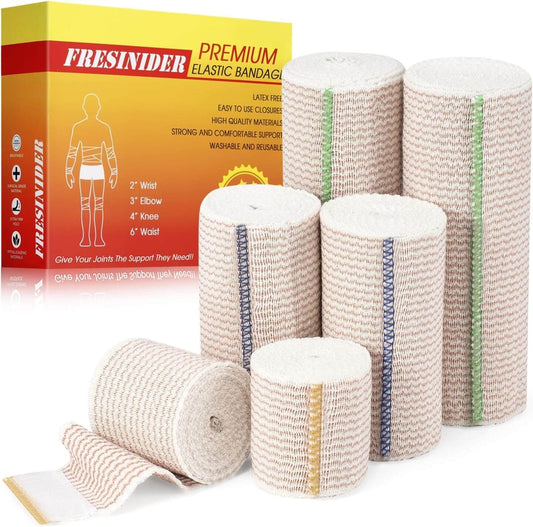
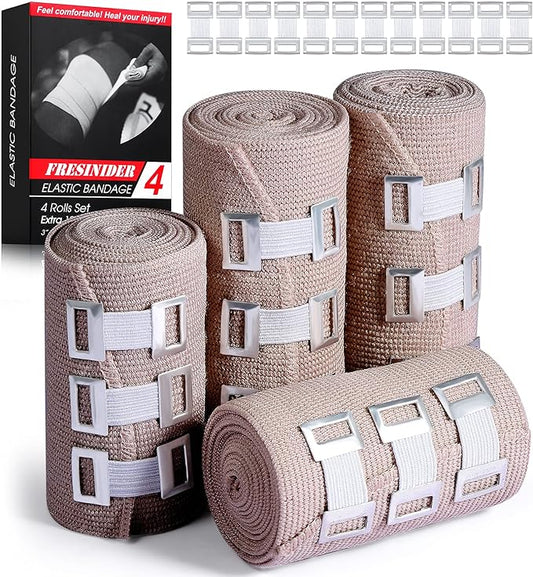
- Ideal for Compression in RICE — provides snug, adjustable support for ankles, wrists & more
- Velcro closure for easy fit — quick on/off and simple to adjust without clips
- Soft, breathable, latex-free — comfortable for sensitive skin
- Reusable & washable — convenient for home, gym, and travel