
What Are Superficial Injuries? Types, Care & Red Flags

Medical disclaimer: This article is for educational purposes and does not replace medical advice. Seek urgent care for uncontrolled bleeding, deep wounds, visible fat/muscle, severe pain, loss of sensation, or signs of serious infection.
Superficial injuries are minor injuries that affect only the outer layers of skin (and sometimes the tissue just beneath it) without deep structural damage. In everyday terms: these are injuries that often look small—like a scrape or minor cut—but still need proper care to reduce infection risk and support faster healing.
Most superficial injuries fall into a few common categories:
- Abrasions (scrapes): skin is rubbed off the surface layer.
- Minor cuts/lacerations: small breaks in the skin that don’t go deep.
- Minor bruises (contusions): bleeding under intact skin from blunt force.
Important: Not all “small-looking” wounds are superficial. A puncture wound may appear tiny on the surface but go deeper and carries higher infection/tetanus risk.
Superficial vs. Deep Injury: A Quick Checklist
A wound is more likely superficial when:
- Bleeding is mild and stops with direct pressure
- Pain is manageable and localized
- Only the top skin layer is involved (no gaping edges)
- You can move the nearby joint normally
A wound is more likely deep or higher-risk when:
- Bleeding won’t stop with steady pressure
- The cut is gaping, jagged, or you can see deeper tissue
- There is loss of sensation, weakness, or severe swelling
- It was caused by a bite, a dirty object, or a puncture mechanism (even if the opening looks small)
Common Types of Superficial Injuries
1) Abrasions (Scrapes)
What they are: friction injuries where the top skin layer rubs off (for example: road rash or turf burn).
Typical signs: stinging pain, a shallow raw area, light bleeding/oozing, and sometimes embedded dirt or grit.
Why they matter: debris trapped in scrapes can increase infection risk and may cause discoloration if not cleaned out properly. If you can’t remove debris safely, get medical help.
2) Minor Cuts (Small Lacerations)
What they are: small breaks in the skin from sharp edges (paper cuts, kitchen slips, minor tool accidents).
Typical signs: localized bleeding, relatively clean edges, minimal gaping.
Key point: Prompt first aid—cleaning and protecting the area—helps lower infection risk and supports better healing.
3) Minor Bruises (Contusions)
What they are: bleeding under intact skin after a bump or blunt impact.
Typical signs: discoloration (often blue/purple that changes over days), tenderness, and mild swelling.
Bruises are usually self-limited, but severe bruising, frequent bruises without a clear cause, or bruising with significant swelling/pain should be evaluated.
First Aid: How to Treat Superficial Injuries at Home
Step 1: Wash your hands
Clean hands reduce the risk of infection.
Step 2: Stop the bleeding (if present)
- Apply direct pressure with clean gauze or a clean cloth for several minutes.
- Small abrasions may ooze—this can be normal.
If bleeding is heavy or won’t stop after steady pressure, seek urgent care.
Step 3: Rinse and clean the wound
- Rinse the wound under clean running water.
- Wash the surrounding skin gently with mild soap.
- If dirt/grit is stuck and won’t come out, don’t dig aggressively—get medical help.
Avoid: routinely using hydrogen peroxide, iodine, or rubbing alcohol on minor wounds—they can irritate tissue and may slow healing. Soap and water is usually enough for cleaning.
Step 4: Protect it (covering matters)
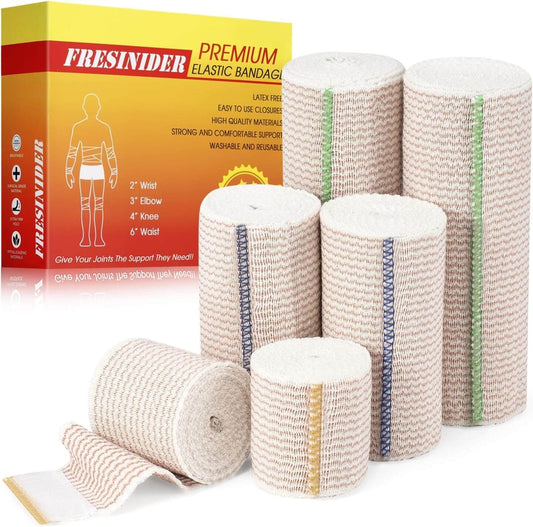
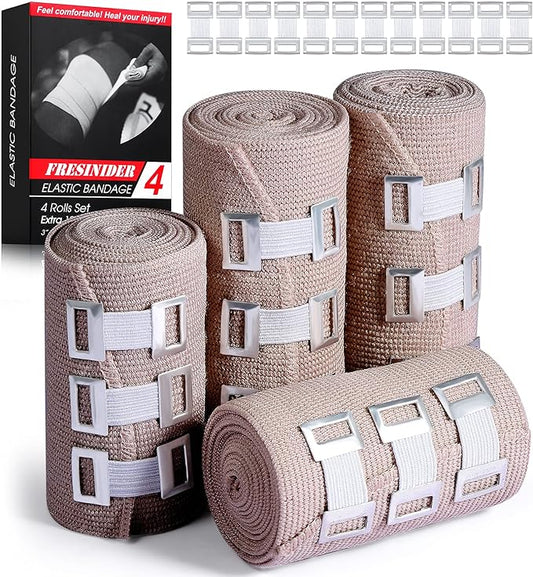
Covering superficial wounds helps keep them clean, reduces friction, and supports healing—especially on high-movement areas like hands, elbows, and knees.
- For scrapes: use a non-stick pad plus a gentle wrap or tape.
- For small cuts: use an appropriate dressing that stays in place.
- For friction areas: secure coverage helps prevent re-injury and reopening.
Step 5: Change dressing and monitor daily
- Change the dressing if it becomes wet or dirty.
- Check daily for signs of infection (see below).
How Long Do Superficial Injuries Take to Heal?
Healing time depends on location, friction, and how well the wound is protected.
- Many minor cuts and scrapes improve noticeably within a few days and continue healing over 1–2 weeks.
- Larger abrasions (“road rash”) can take longer—especially if debris was embedded or the area keeps rubbing during activity.
If the wound isn’t improving, keeps reopening, or becomes increasingly painful, it’s time to get checked.
Signs of Infection (Don’t Ignore These)
Seek medical care if you notice:
- Redness that is spreading outward
- Increasing warmth, swelling, or worsening pain
- Pus/cloudy drainage or a bad odor
- Fever or red streaking up the limb
When Should You See a Doctor for a “Superficial” Injury?
Get evaluated urgently if:
- Bleeding is heavy or won’t stop
- The wound is deep, gaping, or you can see underlying tissue
- There is loss of sensation, limited movement, or severe swelling
- The injury is on the face/eye area or directly over a major joint
- It’s a puncture wound, animal/human bite, or a very dirty injury
Consider medical care if:
- You can’t clean out debris safely
- You have diabetes, poor circulation, or immune suppression (higher infection risk)
- Your tetanus vaccination may be out of date (a clinician will advise based on wound type and vaccine history)
FAQs
What are superficial injuries?
Superficial injuries are minor injuries involving the outer layers of skin—commonly scrapes (abrasions), small cuts, and minor bruises. They usually don’t involve deep tissue damage.
Do superficial injuries need to be covered?
Often, yes. Cleaning and covering minor cuts and scrapes helps keep them clean, reduces friction, lowers infection risk, and supports healing—especially on areas that move or rub against clothing.
What should you avoid putting on a superficial wound?
For routine minor cuts and scrapes, avoid harsh antiseptics like hydrogen peroxide or rubbing alcohol because they can irritate tissue. In most cases, cleaning with mild soap and water is sufficient.
Takeaway: Most superficial injuries heal well with simple steps—clean thoroughly, protect the area, change dressings as needed, and watch for infection. When symptoms don’t match a “minor” injury (deep tissue, uncontrolled bleeding, numbness, worsening redness), get medical help promptly.