
How to Choose a Gentle Wound Dressing for Sensitive or Fragile Skin

Choosing a wound dressing can be more challenging when the surrounding skin is sensitive, fragile, dry, irritated, or easily damaged. Some people may experience discomfort from strong adhesives, frequent dressing changes, or dressings that stick to the wound area.
This guide explains what makes a wound dressing gentle, which dressing features may be helpful for sensitive or fragile skin, and when to ask a healthcare professional for guidance.
This article is for general educational purposes only and does not replace professional medical advice. For serious, infected, chronic, surgical, diabetic, or worsening wounds, please consult a qualified healthcare professional before choosing or using any wound care product.
Why Sensitive or Fragile Skin Needs Extra Care
Sensitive or fragile skin may be more likely to become irritated, red, itchy, dry, or uncomfortable when exposed to adhesives, friction, moisture, or frequent dressing removal. This can be especially important for older adults, people with delicate skin, and caregivers helping with repeated dressing changes.
When choosing a wound dressing for sensitive skin, the goal is not only to cover the wound area. It is also important to consider comfort, adhesive strength, removal experience, skin protection, and how often the dressing may need to be changed.
If the skin around a wound becomes more painful, swollen, red, warm, blistered, or damaged, stop using the product and ask a healthcare professional for advice.
What Makes a Wound Dressing Gentle?
A gentle wound dressing is generally designed to reduce unnecessary pulling, sticking, rubbing, or irritation during wear and removal. The best option depends on the wound type, drainage level, skin condition, and whether professional medical care is needed.
When comparing dressing options, look for features such as:
- Soft wound contact layer
- Gentle adhesive or silicone adhesive
- Non-adherent or low-stick design
- Appropriate absorbency for the wound drainage level
- Flexible material that moves with the body
- Comfortable removal with less pulling on surrounding skin
- Breathable or skin-friendly design when appropriate
A dressing should not feel painfully tight, overly sticky, or uncomfortable during normal use. Always follow product instructions and seek professional guidance for complex wounds.
Common Dressing Options for Sensitive or Fragile Skin
Different dressing types may be considered depending on the wound and the surrounding skin. The options below are for general education only and are not medical recommendations.
1. Silicone Foam Dressings
Silicone foam dressings are often considered when a dressing needs to provide cushioning, absorption, and gentle contact with the skin. The foam layer can help absorb wound drainage, while the silicone contact layer may help reduce sticking and support gentler removal.
Silicone foam dressings may be useful in suitable wound care situations where the surrounding skin needs extra comfort or protection. However, product suitability depends on the wound type, drainage level, wound location, and individual skin condition.
For serious, chronic, diabetic, infected, surgical, or worsening wounds, ask a qualified healthcare professional before choosing a silicone foam dressing.
2. Non-Adherent Dressings or Contact Layers
Non-adherent dressings are designed to reduce sticking to the wound area. A non-adherent contact layer may sit between the wound and a secondary dressing, helping protect delicate tissue during dressing changes.
These dressings may be helpful when the main concern is avoiding direct sticking to the wound. However, many non-adherent layers have limited absorbency, so they may need to be used with gauze, foam, or another absorbent secondary dressing.
If a wound has moderate or heavy drainage, professional guidance may be needed to choose the right dressing combination.
3. Gentle Medical Tape
Medical tape is often used to secure gauze pads, dressings, or other wound care materials. For sensitive or fragile skin, a gentle tape option may help reduce discomfort during removal.
When using medical tape, avoid stretching it tightly across the skin. Tape should help hold the dressing in place without pulling, restricting movement, or causing skin irritation.
If tape causes redness, tearing, blistering, or discomfort, stop using it and consider asking a healthcare professional about alternative securing methods.
4. Transparent Film Dressings
Transparent film dressings are thin, flexible dressings that can help create a lightweight protective barrier over the skin or wound area. Because they are clear, they allow the covered area to remain visible.
Transparent film dressings may be useful when a light cover is needed, but they generally provide little absorption. They may not be suitable for wounds with moderate or heavy drainage.
For fragile skin, removal technique is important. Pulling too quickly or aggressively may irritate the surrounding skin.
Shop Transparent Film Dressings
5. Gauze with a Non-Adherent Layer
Gauze is commonly used in home wound care and first aid kits. However, plain gauze may sometimes stick to the wound if it becomes dry, which can make removal uncomfortable.
For sensitive skin or delicate wound areas, a non-adherent layer may be considered between the wound and gauze. This can help reduce sticking while still allowing gauze to provide coverage or absorption when appropriate.
Always follow product instructions and seek professional advice if the wound is painful, draining heavily, infected, or not improving.
Tips for Reducing Skin Irritation from Wound Dressings
Sensitive or fragile skin may need a more careful dressing routine. The following general tips may help reduce unnecessary irritation.
- Choose the right dressing size so the adhesive does not sit too close to the wound edge.
- Use gentle adhesive options when possible.
- Avoid applying tape or wraps too tightly.
- Remove dressings slowly and carefully instead of pulling quickly.
- Support the skin with one hand while removing adhesive with the other.
- Check the surrounding skin during each dressing change.
- Replace wet, dirty, loose, or contaminated dressings according to product instructions or professional guidance.
- Ask a healthcare professional if the skin becomes damaged, painful, blistered, or increasingly irritated.
How to Remove Medical Tape or Dressings from Sensitive Skin
Dressing removal can be one of the most uncomfortable parts of wound care for people with sensitive skin. Removing a dressing too quickly may pull on the skin or cause irritation.
In general, it may help to remove tape or adhesive slowly, keep the skin supported, and avoid pulling straight upward. Instead, gently loosen the edge and remove the dressing back over itself while keeping it close to the skin.
If a dressing is stuck, painful to remove, or attached to the wound area, do not force it. Ask a healthcare professional for guidance.
What to Avoid with Sensitive or Fragile Skin
When caring for sensitive or fragile skin, it may be helpful to avoid:
- Very strong adhesives unless professionally recommended
- Repeatedly placing tape on the same irritated skin area
- Wrapping elastic or cohesive bandages too tightly
- Using dressings that are not appropriate for the wound drainage level
- Pulling dressings off quickly or aggressively
- Ignoring redness, blistering, skin tearing, or increasing pain
- Using general online information to manage complex wounds
If a product causes discomfort or skin reaction, discontinue use and seek appropriate guidance.
How to Choose a Gentle Wound Dressing: Simple Checklist
Before choosing a dressing for sensitive or fragile skin, consider the following questions:
- Is the wound minor, or does it require professional medical care?
- Is there light, moderate, or heavy drainage?
- Does the wound need cushioning or protection from friction?
- Is the surrounding skin fragile, dry, irritated, or easily damaged?
- Does the dressing need to be changed frequently?
- Is a gentle adhesive or non-adherent layer needed?
- Are there signs of infection or worsening symptoms?
If you are not sure which product is suitable, ask a qualified healthcare professional before use.
Frequently Asked Questions
What wound dressing is best for sensitive skin?
There is no single best dressing for all sensitive skin situations. Depending on the wound condition and drainage level, options such as silicone foam dressings, non-adherent contact layers, gentle medical tape, or suitable secondary dressings may be considered.
The right choice depends on the wound type, surrounding skin, product instructions, and professional guidance when needed.
What dressing does not stick to wounds?
Non-adherent dressings or contact layers are designed to reduce sticking to the wound area. Silicone contact layers may also help support gentler removal in suitable dressing designs.
If a dressing is stuck to the wound or painful to remove, do not force it. Ask a healthcare professional for advice.
Is silicone dressing good for sensitive skin?
Silicone dressings are often designed to be gentle on the skin and may help reduce discomfort during removal compared with some stronger adhesives. However, suitability depends on the product, wound type, drainage level, and individual skin condition.
What wound dressing is commonly considered for elderly or fragile skin?
For elderly or fragile skin, healthcare professionals may consider gentle adhesive dressings, silicone contact layers, non-adherent layers, or dressings that reduce pulling during removal. The best choice depends on the wound and skin condition.
How can I reduce irritation from medical tape?
Choose a gentle tape when appropriate, avoid stretching tape tightly across the skin, remove tape slowly, and avoid repeatedly taping the same irritated area. If irritation continues, ask a healthcare professional about alternative securing methods.
Can I use regular gauze on sensitive skin?
Gauze may be used in many basic wound care situations, but plain gauze can sometimes stick if it dries against the wound. For sensitive skin or delicate wound areas, a non-adherent contact layer may be considered when appropriate.
When to Ask a Healthcare Professional
Some wounds should not be managed with general home care alone. Please consult a qualified healthcare professional if you notice or suspect:
- Deep, large, or severe wounds
- Heavy bleeding
- Signs of infection, such as redness, swelling, warmth, pus, odor, fever, or increasing pain
- Animal bites or human bites
- Burns
- Surgical wounds
- Diabetic wounds or diabetic foot ulcers
- Pressure ulcers or bed sores
- Poor circulation or immune system concerns
- Wounds that do not improve or appear to get worse
- Skin tearing, blistering, or increasing irritation from dressing use
If you are experiencing a medical emergency, call emergency services immediately.
Helpful FRESINIDER Resources
If you are learning about wound dressing options, you may also find these FRESINIDER resources helpful:
- Types of Wound Dressings: Complete Comparison Chart
- Home Wound Care Kit Checklist
- Is FRESINIDER Legit?
- Medical Disclaimer
- Contact Us
Final Thoughts
Choosing a gentle wound dressing for sensitive or fragile skin means looking beyond basic coverage. It is important to consider adhesive strength, dressing removal, absorbency, cushioning, skin comfort, and whether professional medical care is needed.
Silicone foam dressings, non-adherent layers, gentle medical tape, transparent film dressings, and gauze combinations may each play a role in suitable situations. The right choice depends on the wound condition, drainage level, surrounding skin, and product instructions.
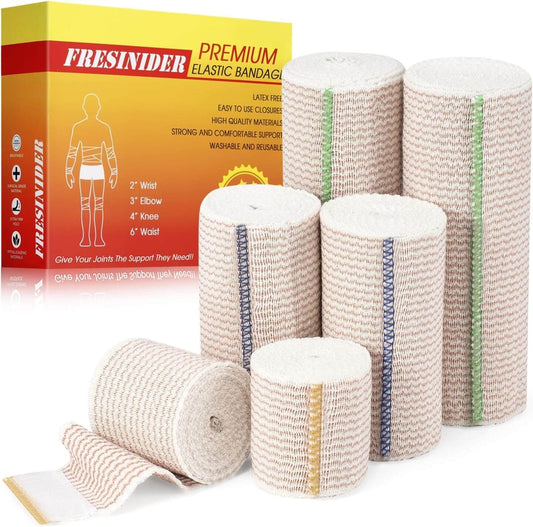
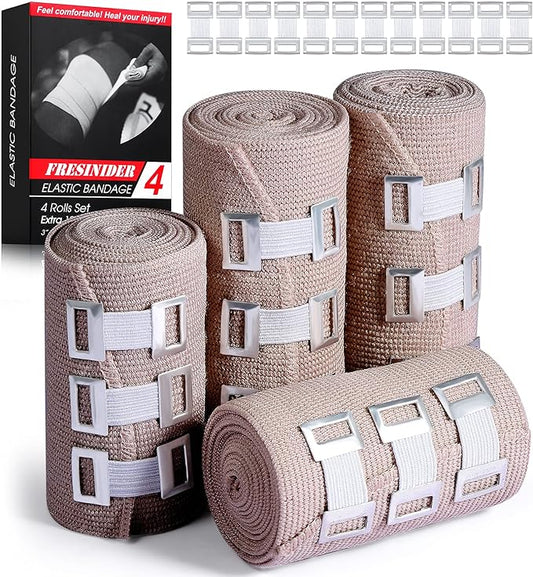
FRESINIDER offers wound care, dressing, bandage, tape, and related home care products designed to support general wound protection, dressing coverage, cushioning, absorption, wrapping, and everyday home care needs.
Explore FRESINIDER Wound Care Products
Medical Disclaimer
This article is for general informational and educational purposes only and does not replace professional medical advice, diagnosis, or treatment. For serious, infected, chronic, surgical, diabetic, or worsening wounds, please consult a qualified healthcare professional.
Read our full Medical Disclaimer.