
Home Wound Care Kit Checklist: Essential Supplies for Families and Caregivers

Having a basic wound care kit at home can help families and caregivers stay prepared for everyday cuts, scrapes, minor skin injuries, dressing changes, and general first aid needs.
A well-organized home wound care kit does not replace professional medical care, but it can make it easier to keep essential supplies in one place when simple wound protection or dressing support is needed.
This checklist is designed for general home care preparation. For deep, infected, surgical, diabetic, chronic, or worsening wounds, always consult a qualified healthcare professional.
Why Keep a Home Wound Care Kit?
Minor skin injuries can happen at home, at work, during outdoor activities, or while caring for family members. Keeping basic wound care supplies together can help you respond more calmly and avoid searching for items at the last minute.
A home wound care kit may be useful for:
- Families with children or elderly family members
- Caregivers supporting daily home care needs
- People preparing a first aid cabinet
- Travel, outdoor, or emergency preparedness kits
- Basic dressing changes when directed by a healthcare professional
Home Wound Care Kit Checklist
Below are common supplies many families and caregivers may consider keeping in a basic wound care kit.
1. Disposable Gloves
Disposable gloves help reduce direct contact with blood, wound drainage, or used dressings. They are useful when cleaning around a wound, applying a dressing, or helping another person with basic wound care.
Choose gloves that fit well and store them in a clean, dry place.
2. Saline Wound Wash or Sterile Saline
Saline wound wash can be used to help rinse away dirt or debris from appropriate minor wounds. It is commonly included in home first aid and wound care kits.
Avoid using harsh chemicals or products not intended for wound care unless directed by a healthcare professional.
3. Gauze Pads
Gauze pads are useful for covering, absorbing, or gently protecting minor wounds. They can also be used as part of a dressing layer when appropriate.
Keep several sizes available so you can choose the right coverage for different needs.
4. Silicone Foam Dressings
Silicone foam dressings can provide cushioning, absorption, and gentle coverage for suitable wound care situations. They are often used when a dressing needs to help manage drainage while protecting the wound area.
Product suitability depends on the wound type, drainage level, skin condition, and individual health needs. For serious or complex wounds, ask a healthcare professional before use.
5. Hydrocolloid Dressings
Hydrocolloid dressings are designed to help maintain a moist wound environment for suitable wound types. They may be useful for certain minor wounds, blisters, or low-to-moderate drainage situations, depending on the product instructions.
Hydrocolloid dressings may not be suitable for infected wounds, heavily draining wounds, or certain medical conditions. When unsure, seek professional guidance.
6. Transparent Film Dressings
Transparent film dressings can help create a protective barrier over the skin or dressing area while allowing visibility. They are thin, flexible, and often used when a lightweight cover is needed.
These dressings generally do not provide much absorption, so they may not be suitable for wounds with significant drainage.
Shop Transparent Film Dressings
7. Medical Tape
Medical tape can help secure gauze pads, dressings, or other wound care materials. For people with sensitive skin, a gentle tape option may help reduce discomfort during removal.
Always avoid applying tape too tightly, and check the surrounding skin for irritation.
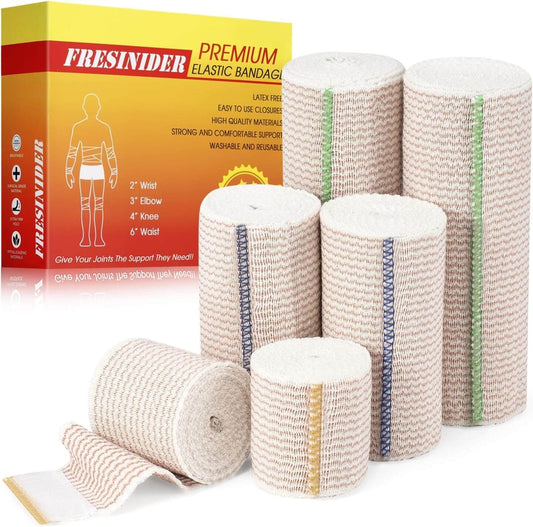
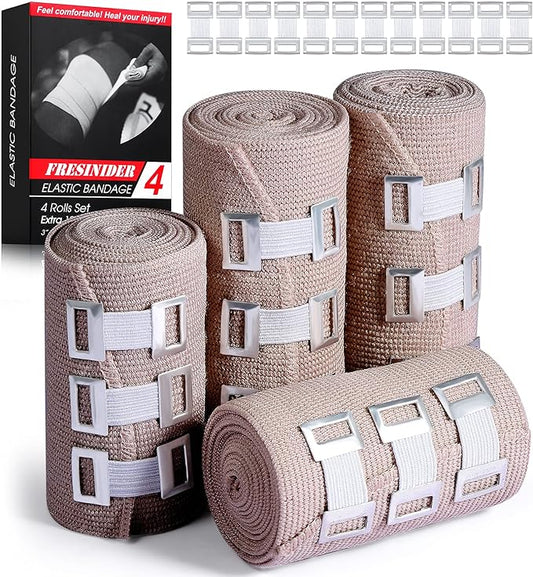
8. Elastic Bandage
Elastic bandages can be useful for wrapping, support, or securing certain dressings when appropriate. They are commonly included in first aid kits for general support and protection.
Do not wrap too tightly. If you notice numbness, tingling, increased pain, swelling, or skin color changes, remove the wrap and seek medical advice.
9. Cohesive Bandage
Cohesive bandages stick to themselves rather than directly to the skin. They can be useful for light wrapping or securing dressings in certain situations.
Like elastic bandages, cohesive bandages should not be applied too tightly.
10. Small Scissors
A clean pair of small scissors can help cut gauze, tape, bandages, or dressing materials to the needed size.
Keep scissors clean and store them safely away from children.
11. Waste Bags
Small disposable waste bags can be used to discard used gloves, wrappers, and old dressings. Keeping waste contained helps maintain a cleaner care area.
12. Hand Sanitizer or Hand-Washing Supplies
Clean hands are important before and after handling wound care supplies. Keep hand sanitizer nearby, but wash hands with soap and water whenever possible.
13. Emergency Contact List
A simple emergency contact list can be helpful, especially for caregivers. Include important phone numbers such as family contacts, healthcare providers, pharmacy, and local emergency services.
How to Organize Your Wound Care Kit
Once you gather your supplies, store them in a clean, dry container. A clear storage box, first aid bag, or labeled cabinet can make it easier to find what you need.
Consider organizing supplies by category:
- Cleaning supplies
- Dressings and gauze
- Tapes and wraps
- Gloves and hygiene items
- Emergency contact information
Check your kit regularly and replace expired, damaged, opened, or contaminated items.
When to Seek Professional Medical Care
A home wound care kit is only for general preparation and basic care needs. Some wounds require professional evaluation.
Please consult a qualified healthcare professional if you notice or suspect:
- Deep, large, or severe wounds
- Heavy bleeding
- Signs of infection, such as redness, swelling, warmth, pus, odor, fever, or increasing pain
- Animal bites or human bites
- Burns
- Surgical wounds
- Diabetic wounds or diabetic foot ulcers
- Pressure ulcers or bed sores
- Poor circulation or immune system concerns
- Wounds that do not improve or appear to get worse
If you are experiencing a medical emergency, call emergency services immediately.
Final Thoughts
A simple home wound care kit can help families and caregivers stay organized and prepared for everyday care needs. The most useful kit is one that is clean, easy to access, and stocked with basic supplies such as gloves, gauze, dressings, tape, bandages, and emergency contact information.
FRESINIDER offers wound care, dressing, bandage, tape, and related home care products designed to support general wound protection, dressing coverage, cushioning, absorption, and wrapping needs.
If you are unsure which product is suitable for your situation, please consult a qualified healthcare professional before use.
Explore FRESINIDER Wound Care Products
Medical Disclaimer
This article is for general informational and educational purposes only and does not replace professional medical advice, diagnosis, or treatment. For serious, infected, chronic, surgical, diabetic, or worsening wounds, please consult a qualified healthcare professional.
Read our full Medical Disclaimer.