
Slow Healing Wounds on Legs: Causes & What to Do

If you have a cut, scrape or sore on your leg that just won’t close, it’s more than a cosmetic problem. Slow healing wounds on legs can be an early warning sign of vein disease, artery disease, diabetes or other health issues – especially in older adults.
The good news: when you understand what might be behind a non-healing leg wound, you can get the right help faster and avoid serious complications.
This article is general education for adults and can’t replace medical advice. If you have a deep, painful, or infected wound, or you live with diabetes or circulation problems, get personalized guidance from a clinician.
1. What counts as a “slow healing” wound on the leg?
Healthy skin usually repairs small everyday injuries fairly quickly:
- Minor cuts and scrapes: start closing within a few days
- Stitches after a simple cut: often removed after 7–14 days
- Larger wounds: may take a few weeks but should show steady progress
A wound on your leg may be considered “slow healing” or “non-healing” if:
- It hasn’t noticeably shrunk or improved after 2–3 weeks
- It keeps re-opening after almost closing
- It has been there more than 4–6 weeks and still hasn’t fully healed
Doctors often call long-lasting open sores on the legs chronic wounds or leg ulcers. These are common in people with vein disease, artery disease and diabetes.

2. Common causes of slow healing wounds on legs
Slow healing leg wounds are rarely “just skin deep.” They usually reflect an underlying problem with blood flow, nerves, the immune system, or long-term swelling.
2.1 Poor circulation and peripheral artery disease (PAD)
If arteries in the legs are narrowed or blocked, the skin doesn’t get enough oxygen and nutrients to repair itself. This condition is called peripheral artery disease (PAD).
Typical signs and risk factors include:
- Calf pain or cramping when walking that improves with rest (claudication)
- Cold feet or legs, shiny or hairless skin
- Weak or absent pulses in the feet
- Sores on toes, feet or lower legs that heal slowly or not at all
Non-healing leg or foot wounds are considered a red-flag symptom of PAD and should be evaluated promptly by a vascular specialist.
For more on how PAD affects the legs and why it can lead to sores that won’t heal, see the patient information from Mayo Clinic on peripheral artery disease.
2.2 Chronic venous insufficiency and venous leg ulcers
Your leg veins are supposed to carry blood back up to your heart. In chronic venous insufficiency (CVI), damaged valves or vein walls allow blood to pool in the lower legs, increasing pressure and damaging the skin over time.
Common clues include:
- Swelling in the lower legs and ankles, worse after standing
- Aching, heaviness, itching, or throbbing in the legs
- Brownish discoloration around the ankles
- Varicose veins
- Open sores above the ankle (venous leg ulcers) that are hard to heal
Venous leg ulcers are one of the most common causes of slow healing wounds on legs in older adults.
If you’ve already been told you have a chronic leg ulcer and want more background on causes and standard treatments, this patient leaflet on chronic leg ulcers from the UK NHS is a helpful overview.
2.3 Diabetes and neuropathy
People with diabetes are at much higher risk for slow-healing foot and leg wounds because of:
- Poor circulation (diabetic artery disease)
- Peripheral neuropathy – nerve damage that reduces pain sensation, so small injuries go unnoticed
- Higher risk of infection and impaired immune response
A small blister, scratch, or pressure point on the foot can quietly turn into a diabetic foot ulcer that is very slow to heal.
2.4 Lymphedema and chronic leg swelling
In lymphedema, the lymphatic system can’t drain fluid properly, leading to persistent swelling, thickened skin, and “weeping” legs. Over time, the overstretched, fragile skin can crack and form ulcers that heal slowly and recur.
Lymphedema often overlaps with venous disease (called phlebolymphedema) and makes any leg wound much harder to heal.
2.5 Infection and repeated trauma
Wounds heal more slowly when they are:
- Infected with bacteria
- Constantly bumped, rubbed by shoes, or scratched because they itch
- Located over bony areas or where the skin is tight
Signs of infection include increasing redness, warmth, swelling, pus, bad odor, and feeling unwell or feverish.
2.6 Systemic factors that slow wound healing
Even without major artery or vein disease, many whole-body factors can slow repair:
- Smoking or nicotine use
- Poor nutrition, low protein, vitamin or mineral deficiencies
- Certain medications (like long-term steroids or chemotherapy)
- Autoimmune disease and immune-suppressing drugs
- Advanced age and frailty
That’s why doctors look at the whole person, not just the leg, when a wound is slow to heal.
3. Warning signs you should never ignore
Any slow healing leg wound deserves attention, but some symptoms mean you should see a clinician right away. Call your doctor, urgent care, or ER if you notice:
- The wound is becoming larger, deeper, or more painful
- Redness is spreading or the skin feels hot
- Pus, foul odor, or suddenly increased drainage
- Black, blue, or very pale skin around the wound
- Fever, chills, or feeling generally unwell
- New numbness, tingling, or burning in your feet or legs
- A leg or foot wound that has not improved after 1–2 weeks of good care
If you have diabetes, known vein or artery disease, or lymphedema, don’t wait – non-healing leg wounds in these settings always warrant medical review.
4. How doctors evaluate slow healing wounds on legs
When you see a clinician about a non-healing leg wound, expect them to look beyond the surface.
They may:
- Take a detailed history – when it started, how it’s changed, your medical conditions and medications
- Examine your legs for swelling, color changes, varicose veins, temperature and pulses
- Measure and photograph the wound to track progress
- Order tests such as:
- Ankle-brachial index (ABI) to check arterial blood flow
- Duplex ultrasound to look at venous reflux (backward flow) or clots
- Blood work for diabetes, infection, anemia, or nutritional status
From there, they’ll decide whether you need:
- Vascular treatment (for PAD or significant venous disease)
- Diabetes optimization and foot care education
- Referral to a wound care clinic for specialized dressings, compression, or debridement
5. What you can do at home to support better healing
While the underlying cause must be addressed by a clinician, there are things you can do at home to help a slow healing leg wound improve—once your doctor has cleared it for home care.
5.1 Gentle cleaning and moist wound care
Most guidelines now favor moist wound healing over “let it air out and dry.”
For appropriate, non-infected wounds (and following your clinician’s instructions):
- Wash your hands.
- Rinse the wound with clean water or saline.
- Clean surrounding skin with mild, fragrance-free soap if needed.
- Avoid repeatedly using harsh antiseptics like full-strength hydrogen peroxide or alcohol.
- Apply a thin layer of a bland ointment or use a suitable modern dressing to keep the wound slightly moist, not dripping wet.
- Cover with a clean, non-stick pad and secure it without cutting off circulation.
5.2 Choosing the right type of dressing
The “best” dressing depends on the wound type, depth, and how much fluid it produces. Your clinician might recommend:
- Foam dressings – for moderate exudate, especially over bony areas or in venous leg ulcers

FRESINIDER Silicone Foam Dressing
Gentle silicone contact layer · Cushioned absorbent foam · Waterproof adhesive border
- Soft silicone surface protects fragile leg skin and lifts away with minimal pain.
- Foam core manages mild to moderate exudate in slow-healing wounds.
- Border helps seal out friction, dirt and moisture from daily activities.
- Hydrocolloid dressings – for shallow, non-infected wounds with light to moderate exudate

FRESINIDER Hydrocolloid Roll for Wound Care
Cut-to-size hydrocolloid · Flexible, skin-friendly backing · Waterproof cover
- Creates a moist, protective environment for shallow leg wounds and scrapes.
- Roll format lets you trim strips or patches to fit shins, knees and ankles.
- Helps shield the area from rubbing so new tissue can form undisturbed.
- Alginate or gelling fiber dressings – for very wet wounds
- Non-adherent contact layers – to protect fragile skin and prevent sticking
- Transparent film dressings – for low-exudate wounds when protection and showering convenience are priorities

FRESINIDER Transparent Film Dressing
Ultra-thin waterproof film · Breathable protection · See-through design
- Ideal for low-exudate leg wounds that need a clean, waterproof cover.
- Lets you shower while keeping the dressing in place over the wound.
- Clear film makes it easy to monitor the skin without removing the dressing.
The key is to avoid dry gauze directly on the wound, which can stick and tear away new tissue, delaying healing and increasing pain.
5.3 Protecting the area from friction and trauma
Leg wounds often sit where clothing, shoes or other surfaces rub:
- Use padding or extra layers of dressing over bony spots.
- Avoid tight shoes, socks or boots that press on the wound area.
- If the wound is on the shin or calf, be mindful of pets, furniture, and sports that might bump it.
A wound that’s constantly re-injured will take much longer to close.
5.4 Supporting circulation (with medical guidance)
Good circulation is essential for faster healing:
- Elevate your legs above heart level several times a day if you have swelling (unless told otherwise).
- Walk or do gentle range-of-motion exercises as recommended – muscle activity helps pump blood and lymph.
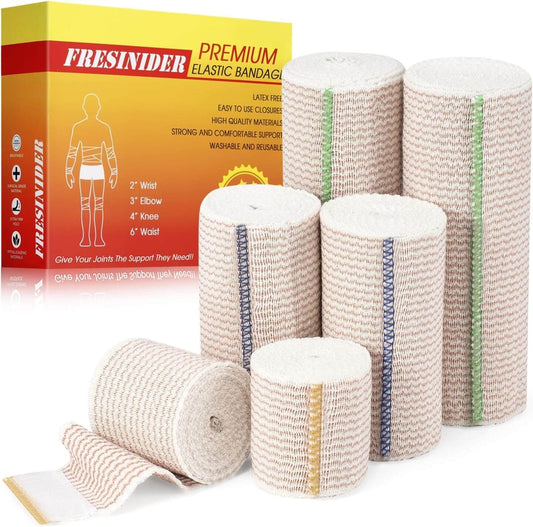
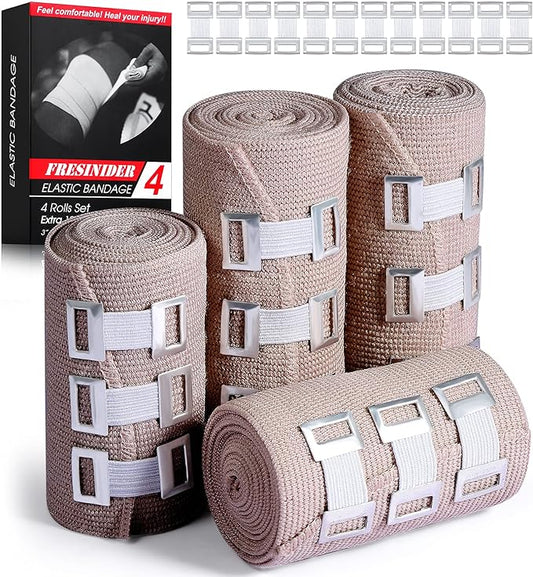
- If you have venous disease, your clinician may prescribe compression stockings or bandages – but compression must be used carefully if you also have arterial disease.
If you’re living with varicose veins and wondering how compression wraps fit into your day-to-day routine, we cover practical tips in our guide to using elastic bandages for vein support.
Never start strong compression on your own for a slow healing leg wound unless a clinician has checked your arterial circulation first.
5.5 Lifestyle basics that really matter
Several “boring” basics have a big effect on wound healing speed:
- Don’t smoke or vape nicotine – nicotine narrows blood vessels and dramatically slows healing.
- Eat enough protein and calories – include lean meats, fish, eggs, dairy, beans, and nuts if you can.
- Focus on fruits, vegetables, and whole grains for vitamins and minerals.
- Manage blood sugar if you have diabetes – follow your treatment plan and let your team know about any non-healing wounds.
If you’d like more ideas on everyday habits that support the body’s repair process, we share additional tips in our article on helping wounds heal faster naturally.
6. When to see a wound care or vascular specialist
Ask your primary doctor about referral to a wound clinic or vascular specialist if:
- A leg wound hasn’t improved after 2–4 weeks of appropriate care
- You have diabetes, and there’s any open wound on your foot or lower leg
- There is significant swelling, varicose veins, or skin changes around the wound (brown discoloration, tight, shiny, or hardened skin)
- You suspect PAD – leg pain with walking, cold feet, weak pulses, or multiple non-healing sores
Specialists can combine cause-focused treatments (like improving blood flow or controlling swelling) with the right dressings and off-loading strategies to give the wound the best chance to heal.
7. Key takeaways: slow healing wounds on legs
- Slow healing wounds on legs are often signs of underlying vein disease, artery disease, diabetes, lymphedema, or other systemic issues, not just minor skin problems.
- Don’t ignore non-healing sores on your legs, ankles, or feet, especially if you have diabetes or circulation problems.
- Early medical evaluation can uncover problems like PAD or chronic venous insufficiency before they lead to more serious complications.
- At home, you can support healing by:
- Cleaning gently
- Keeping the wound slightly moist and protected
- Using non-stick, appropriate dressings
- Protecting the area from friction
- Supporting circulation and overall health
When in doubt, it’s always safer to treat a slow healing leg wound as a medical priority, not a minor nuisance. Early attention can save you months of frustration—and in some cases, prevent limb-threatening complications.