
Hydrocolloid vs Silicone for Scars: What Really Works

- Silicone (gel or sheets) is the best-supported, first-line topical treatment for raised scars (hypertrophic scars and keloids) after surgery or injury.
- Hydrocolloid bandages are great for active wounds and pimples and can reduce the risk of worse scarring, but they’re not the main tool for remodeling established scars.
1. How scars form (and why timing matters)
Any time the deeper layers of skin are injured—surgery, cuts, burns, severe acne—the body repairs the gap with collagen. Early on, the scar is:
- Red or purple
- Slightly raised
- Sensitive or itchy
Over the next 6–18 months, that collagen can either remodel into a flatter, softer line… or turn into a hypertrophic or even keloid scar (thick, raised, sometimes painful).
Early care—protecting the wound, controlling inflammation, and then using the right topical therapy—has a huge impact on the final appearance. That’s exactly where silicone and (sometimes) hydrocolloid come in, but they play different roles at different stages.
2. What is silicone for scars?
“Silicone for scars” usually means medical-grade silicone gel or silicone gel sheets/tape.
2.1 How silicone works
Clinical guidelines and reviews describe several ways silicone appears to help scars:
- Occlusion & hydration — forms a semi-occlusive barrier that keeps water in the outer skin layers, normalizing collagen production.
- Temperature & tension — may slightly change the local temperature and reduce mechanical stress on the scar.
- Barrier protection — shields the scar from friction and irritants.
Even though the exact mechanism is still debated, decades of clinical use show that silicone can:
- Reduce redness
- Decrease itching and discomfort
- Flatten and soften raised scars
- Lower the chance of a high-risk wound turning into a hypertrophic or keloid scar
Major international scar-management recommendations list silicone gel or sheets as first-line, gold-standard non-invasive therapy for hypertrophic scars and keloids.
If you’d like a deeper look at how these silicone sheets create that protective, hydrated environment on top of a scar, we break it down step by step in our detailed guide to silicone sheet technology and scar care.
2.2 When silicone is typically used
- After surgical incisions (C-section, tummy tuck, joint replacement, mastectomy, etc.) once the skin is closed and intact.
- On burn scars and other high-risk wounds after re-epithelialization.
- For existing hypertrophic or keloid scars, to help flatten and reduce symptoms over time.
Typical use: 12–24 hours a day for at least 3 months, often up to 6 months for stubborn scars.

3. What are hydrocolloid bandages?
Hydrocolloid dressings are self-adhesive pads that contain gel-forming particles (like carboxymethylcellulose, pectin, gelatin). When they contact wound fluid, they swell into a soft, cushioned gel.
They were originally designed for:
- Chronic wounds (leg ulcers, pressure ulcers)
- Acute wounds (post-surgical, abrasions)
…and only later repurposed as pimple patches and “scar-friendly” bandages in skincare.
3.1 What hydrocolloid is good at
Research and dermatology reviews suggest hydrocolloid dressings:
- Create a moist healing environment, which supports faster re-epithelialization for many wounds.
- Absorb fluid and protect nerve endings, reducing pain.
- Provide mild cushioning and protection from friction.
If you’re curious what’s happening under the surface when you put one of these dressings on, we break it down step by step in our deep dive into how hydrocolloid dressings interact with wound fluid and skin.
For acne, patches can:
- Draw out fluid from a popped or inflamed pimple
- Reduce picking (huge for scar prevention)
- Help spots look flatter and less angry by the next day

3.2 What hydrocolloid is not proven to do
Evidence that hydrocolloid remodels an already formed scar is very limited:
- Most data look at hydrocolloids as a wound dressing, not as long-term scar therapy.
- A trial comparing hydrocolloid to simple ointment in the first week after surgery found similar scar appearance later, suggesting hydrocolloid isn’t a magic scar eraser.
In other words: hydrocolloid is great for helping wounds and pimples heal nicely, but once a scar is established—especially a thick, raised scar—there’s much stronger evidence for silicone.
4. Hydrocolloid vs silicone for scars: what the science says
4.1 For raised surgical and traumatic scars
- Guidelines and reviews show that silicone gel/sheets have clinical trial data showing improvement in hypertrophic and keloid scars and are recommended as first-line therapy.
- Hydrocolloid is mostly studied as a wound dressing, not as long-term scar therapy, and older comparisons suggest silicone outperforms hydrocolloid for scar remodeling.
Takeaway: For raised surgical scars, burns, and keloids, silicone clearly wins.
4.2 For fresh, still-healing wounds
- While the wound is still open or oozing, you’re in wound care mode, not scar therapy mode.
- Hydrocolloid dressings can be very useful during this stage to:
- Keep the wound moist
- Protect from friction
- Reduce pain
- Once the skin surface is closed, many clinicians move to silicone if the goal is long-term scar optimization.
Think of it like this:
Hydrocolloid: helps the wound heal nicely.
Silicone: helps the scar remodel nicely.
You can absolutely use both in sequence, just not usually at the same time on an open wound.
4.3 For acne and post-pimple marks
-
Hydrocolloid patches:
- Great for active pimples, especially if you tend to pick.
- Help reduce inflammation and trauma, which lowers the risk of dark marks and big scars.
- Do not “fill in” deep acne scars.
-
Silicone products:
- Better studied for raised scars than for typical pitted acne scars.
- May help some thick, bumpy acne scars, but for atrophic (pitted) scars, dermatologists often recommend procedures like microneedling, lasers, or peels instead.
So for acne:
- Use hydrocolloid on active lesions to prevent picking and speed healing.
- Focus on sunscreen, retinoids, and in-office treatments for long-term acne scar remodeling, with silicone reserved mainly for any raised spots.
5. Practical guide: which should you choose?
Scenario 1 – You just had surgery (C-section, tummy tuck, joint replacement)
- Days 0–7 (or as your surgeon instructs): priority is keeping the incision clean, protected, and watching for infection. Some surgeons use simple dressings; others might use advanced dressings (including hydrocolloid) for comfort.
- Once the incision is fully closed and dry and your surgeon gives the go-ahead:
- Start silicone sheets or gel daily for at least 3 months.
👉 Best overall choice for scars here: silicone, not hydrocolloid.
Scenario 2 – You’re seeing a raised, itchy scar forming
If a scar is becoming thick, red, itchy, or raised above the skin, especially on the chest, shoulders, or over joints:
- Talk to a dermatologist or plastic surgeon early.
- Most guidelines will recommend consistent silicone therapy and possibly other treatments (steroid injections, pressure, laser) depending on severity.
Hydrocolloid is not a main treatment for this type of scar.
Scenario 3 – You pick at pimples and they always leave marks
- Use hydrocolloid patches on active, inflamed or recently popped pimples to:
- Cover and protect the area
- Absorb exudate and oil
- Remind you not to touch it
- Once the spot has flattened and closed:
- Apply daily SPF 30+
- Consider gentle actives (like retinoids, azelaic acid, or niacinamide as advised by a dermatologist)
- Look into professional treatments for persistent scars.
Silicone is not usually first-choice for typical flat post-inflammatory marks or pitted acne scars.
Scenario 4 – You have fragile skin or chronic wounds on the legs
In venous disease or lymphedema, both hydrocolloid and silicone foam dressings can be used as part of a wound-care plan to protect fragile skin and control drainage. Here the focus is:
- Preventing ulcers
- Managing exudate
- Protecting new tissue
Scar remodeling is a secondary goal and usually handled later, often again with silicone-based therapies if needed.
6. Side effects and safety
Silicone
- Generally well tolerated; widely used in adults and children.
- Possible issues:
- Mild redness, sweat rash, or itching under sheets or tape
- Adhesive irritation (you can trim pieces smaller or use gel instead)
Hydrocolloid
- Also widely used and usually safe for intact surrounding skin.
- Watch out for:
- Skin maceration if the area stays too wet for too long
- Allergy or irritation to adhesives
- Trapping infection if used on an already infected wound without supervision
If you have diabetes, poor circulation, or a history of keloids, always ask your clinician before deciding on your own scar regimen.
7. FAQs: hydrocolloid vs silicone for scars
“Can hydrocolloid patches remove old scars?”
No. They can help new wounds and pimples heal more cleanly, which reduces the risk of noticeable scarring. But for a scar that’s already formed, especially if it’s older than a few months, there’s little evidence that hydrocolloid alone will flatten or fade it significantly.
“Is silicone proven to work, or is it just marketing?”
Silicone has been used in scar management for decades and has clinical studies and international recommendations behind it. It doesn’t erase scars, but it can make many of them flatter, softer, and less red when used consistently for months.
“Can I use both hydrocolloid and silicone?”
Yes—just not on the same open wound at the same time.
- Hydrocolloid: during the open, weeping wound stage (if your clinician approves).
- Silicone: after the wound is closed and epithelialized, during the scar maturation phase.
“How long until I see results with silicone?”
Most clinical leaflets recommend at least 12 weeks of daily silicone use; many patients and clinicians suggest 3–6 months for meaningful cosmetic change.
8. Bottom line: hydrocolloid vs silicone for scars
Hydrocolloid
- Best for: active wounds and pimples, short-term healing and protection.
- Role in scars: helps prevent some scarring by supporting healthy healing and reducing picking, but not a primary treatment for established scars.
Silicone (gel or sheets)
- Best for: preventing and treating raised surgical, traumatic, and burn scars once the skin has closed.
- Backed by: decades of clinical use and international scar-management guidelines.
If your main question is “Which one should I use to improve an existing scar?” the evidence-based answer is:
Start with silicone, not hydrocolloid — and stick with it consistently for several months, under your doctor’s guidance.
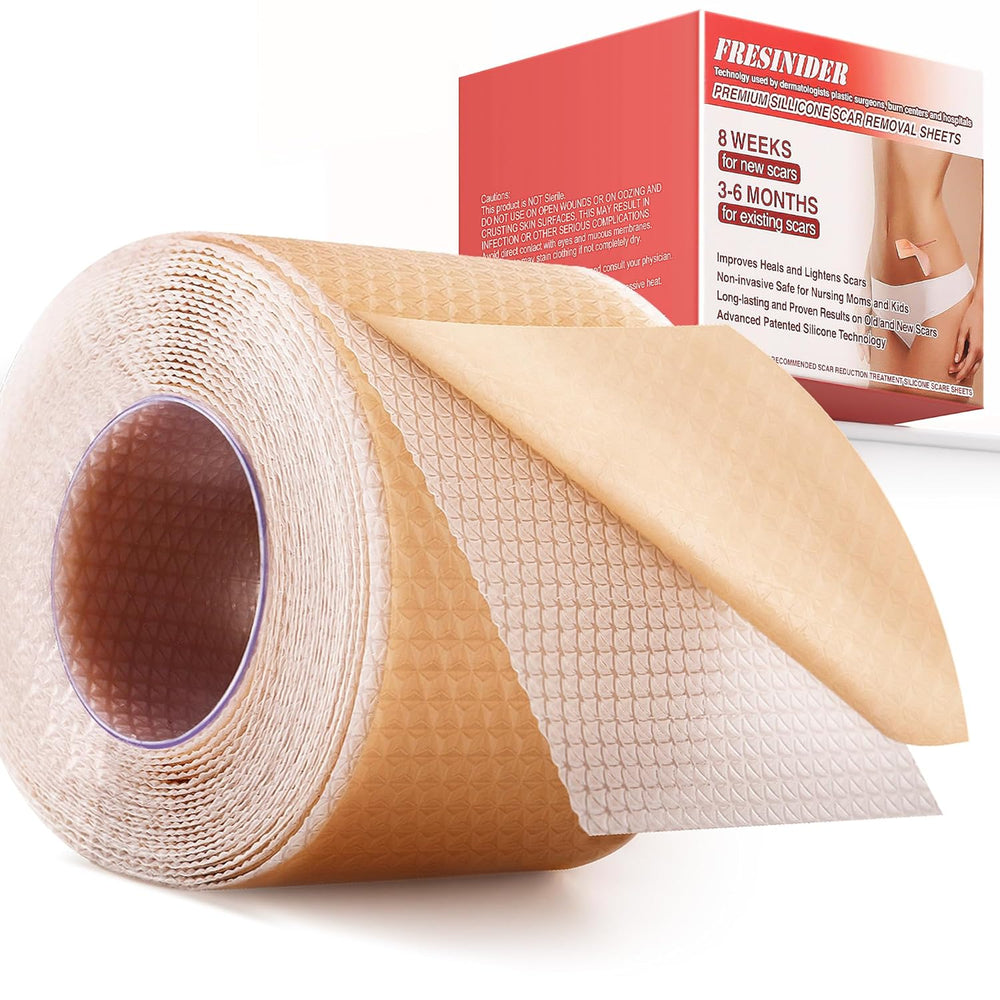
FRESINIDER Silicone Scar Sheets
- Medical-grade silicone — soft, breathable, skin-friendly
- Cut-to-fit & reusable — comfortable under clothing, even overnight
- Helps soften, flatten, and reduce redness & itch over time
- Ideal for C-section & surgery scars; easy daily care at home
Comfort-first scar care trusted by moms & post-surgery users.