
Why should you stock only brightly colored bandages

Brightly colored bandages (think blue, neon green, hot pink, orange) aren’t just for looks. In many real-world settings—especially busy households, workplaces, sports, and food prep—bright colors can improve visibility, safety, compliance, and inventory control.
Here’s when stocking only brightly colored bandages makes sense, when it doesn’t, and how to choose the best colors for your kit.
Quick answer
You should stock only brightly colored bandages because they’re easier to spot, monitor, and remove, reducing the chance a bandage is missed (on skin, clothing, floors, or equipment). Bright colors also help caregivers and supervisors confirm coverage quickly, improve first-aid compliance, and simplify restocking.
1) Visibility = less “missed bandage” risk
A neutral or skin-tone bandage can blend into skin (especially at a distance), beige clothing, gym floors, towels, bedding, and workplace surfaces.

A bright bandage stands out immediately—making it more likely someone notices it’s peeling off, it fell on the ground, or it’s stuck to clothing or a towel and needs to be replaced.
If you want a simple, practical routine for cleaner healing and better day-to-day wound care, read this quick healing guide.

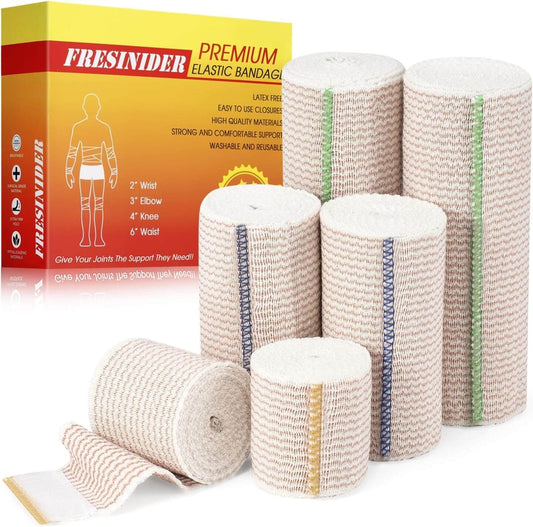
FRESINIDER Colored Self-Adhesive Wrap
- High-visibility colors — easy to spot and check quickly
- Self-adhesive, no clips — sticks to itself, not hair or skin
- Flexible support — great for sports, active days, and quick wraps
- Easy to tear — fast to apply at home, gym, or in a team kit
A simple, easy-to-spot wrap option for active kits.
2) Safer for food prep, catering, and kitchens
In food handling, the big operational concern is foreign-object contamination. If a bandage falls off into a prep area, you want it to be obvious.
That’s why many kitchens prefer blue bandages: blue is uncommon in most foods, so it’s easier to detect visually. Bright colors help staff and managers verify bandages quickly during shifts.
3) Easier compliance checks (workplaces, schools, sports teams)
Bright bandages make it easy to confirm the wound is covered, the bandage is intact, and the right person is wearing it—without stopping a shift, practice, or class.
This matters in daycares and schools (quick checks), sports sidelines (fast reassessment), warehouses and construction (glove-on inspections), and camps and outdoor programs.
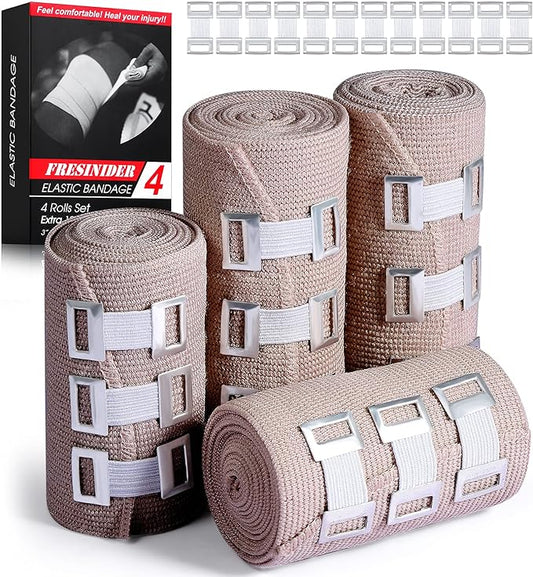
One reminder: visibility doesn’t replace proper wrapping. If a bandage or wrap causes numbness or tingling, it may be too tight—see these signs to watch for.
4) Better for kids (less resistance, more willingness)
Kids often resist wound care. Bright bandages feel more fun, reduce fear, and encourage cooperation. For parents, bright colors also make it easy to check whether the bandage is still on.
5) Faster inventory management and restocking
When your kit has a mix of skin-tone and assorted styles, bandages get used unevenly and “disappear” into bags, cars, and pockets.
Stocking one category—brightly colored—can make your kit easier to audit at a glance, simpler to reorder, and more consistent for staff training (“use the bright ones”).
6) Bright colors improve “change reminder”
If the bandage is easy to see, you’re more likely to notice dirt buildup, moisture, curling edges, blood seepage, and looseness from sweat—making timely changes more likely.
When stocking only bright bandages is not ideal
A) Discretion / professional appearance
Some people prefer skin-tone bandages for interviews, customer-facing jobs, and formal events.
B) Certain medical situations
For surgical sites or sensitive skin, priorities often include gentle adhesive, breathable materials, and low-trauma removal—color is secondary.
C) Sun/UV and scar care context
Color doesn’t equal UV protection. If you’re covering a healing area for sun protection, what matters is whether the cover is opaque and stays sealed—not whether it’s neon.
The best “bright-only” colors by use case
For kitchens/food prep
Blue (high contrast; less likely to blend into food).
For sports/teams/outdoor
Neon green / orange / pink (easy to spot in grass, dirt, sand).
For home/family
A mixed bright pack (kids like variety; adults still get visibility).
For workplaces
One high-contrast standard color (simplifies compliance and restocking).
What matters more than color (buying checklist)
If you’re stocking for a workplace, ANSI/ISEA Z308.1 is a helpful framework for first-aid kit contents and can guide what you keep on hand.
- Strong, skin-friendly adhesive (stays on through movement)
- Breathable backing (reduces sweat buildup)
- Flexible fabric (knuckles, fingers, heels)
- Latex-free (common sensitivity concern)
- Water resistance for sports or wet environments
FAQs
Are bright bandages more hygienic?
Not inherently. They’re easier to notice when dirty, which can lead to better hygiene habits.
Do bright bandages stay on better?
Color doesn’t determine adhesion. Material and adhesive quality do.
Should I stock only bright bandages at home?
If you want a simple, foolproof kit—yes. If you need discretion sometimes, keep a small pack of skin-tone as a backup.
Conclusion: Stocking only brightly colored bandages is a smart move when your goal is visibility, safety, and consistency—especially in kitchens, sports, schools, camps, and busy households. Bright makes bandages easier to spot, check, replace, and restock.