
Hydrocolloid Bandages for Eczema: A Safe-Use Guide

Hydrocolloid bandages are usually marketed for blisters and acne—but more people with eczema are starting to ask whether they can help protect broken, weeping skin during a flare.
Short answer: hydrocolloid bandages can sometimes help small areas of eczema that have turned into wounds, but they need to be used carefully, as part of a full eczema treatment plan and ideally with a dermatologist’s guidance.
1. What are hydrocolloid bandages and how do they work?
Hydrocolloid dressings are self-adhesive, occlusive or semi-occlusive bandages that contain gel-forming particles (such as gelatin, pectin, or carboxymethylcellulose). When they contact wound fluid, they swell into a soft gel.
Key properties:
- Create a moist healing environment that supports re-epithelialization (new skin growth)
- Protect nerve endings, reducing pain and itch
- Act as a barrier against friction, bacteria, and environmental irritants
- Can stay in place for many hours, sometimes days, depending on the wound and product
Most of the research on hydrocolloids is in chronic wounds, acute wounds, and pressure ulcers, but there are also reports and smaller studies on dermatitis and atopic eczema, especially when lesions are weeping or excoriated.
2. How eczema turns into a “wound” — and where hydrocolloids fit
In atopic dermatitis and other eczema types, the skin barrier is already weakened. Intense itch leads to scratching, rubbing, and picking, which can cause:
- Open erosions or raw patches
- Cracks (fissures)
- Weeping lesions that ooze clear or yellowish fluid
These areas are no longer just “dry eczema”—they’re superficial wounds on top of eczematous skin. That’s where a hydrocolloid bandage can sometimes be useful:
- Keeping the wound moist but protected
- Blocking fingernails from further scratching
- Reducing friction from clothing or shoes
- Helping topical treatments stay in place underneath in some protocols
Hydrocolloid bandages are not a replacement for emollients, topical steroids, or other prescription eczema treatments. They’re an adjunct option for specific, localized problem spots.

3. Potential benefits of hydrocolloid bandages for eczema-prone skin
3.1 Moist, protected healing for weeping lesions
Hydrocolloids are designed for mildly exuding wounds, which is exactly what many scratched-open eczema patches become. By trapping some exudate and forming a gel, they:
- Maintain a hydrated environment that supports skin barrier repair
- Prevent the wound from drying into a painful scab that cracks and reopens
- Shield the area from soaps, detergents, sweat, and other irritants
Some eczema-focused blogs and patient communities report that hydrocolloid bandages can be especially helpful on hands, wrists, and feet, where friction and movement constantly re-injure the skin.
3.2 Breaking the itch–scratch cycle
Covering a “favorite” scratch spot with a smooth, cushioned dressing can:
- Make it harder to scratch directly on the lesion
- Reduce the immediate sensory trigger (rough, burning skin)
- Give the area a chance to heal while the rest of your eczema is being treated
Hydrocolloid dressings have even been used in a structured “combined approach” for localized chronic atopic eczema, placed over topical steroids to enhance adherence to treatment and protect from scratching.
3.3 Extra comfort in high-friction areas
On the feet and ankles, shoes and socks rub on already inflamed skin. For people with:
- Dyshidrotic eczema blisters that have ruptured
- Weeping eczematous patches on the heel or toes
- Recurrent cracks around the ankles
A thin hydrocolloid can offer cushioning and friction protection, similar to how blister bandages work.
4. When hydrocolloid bandages might be appropriate for eczema
Always clear this with your dermatologist first, but typical situations where hydrocolloids may be considered include:
- Small, localized areas of broken skin from eczema (for example, a few centimeters across on wrist, hand, foot, or ankle)
- Areas that are mildly weeping but not heavily draining
- Chronic “hot spots” where scratching and rubbing repeatedly reopen the skin
- Situations where clothing, shoes, or sports gear constantly irritate the area
They’re generally not used to cover very large body areas the way wet wraps or tubular bandages are used. For widespread eczema, professional guidance on wet wraps, paste bandages, and therapeutic garments is safer and better studied.
5. Important cautions and when NOT to use hydrocolloid bandages
Hydrocolloid bandages are occlusive. That same property that keeps moisture in can also trap heat, bacteria, and inflammation if the lesion isn’t suitable. Keep these cautions in mind.
5.1 Possible infection or very “angry” eczema
You should not cover infected eczema with an occlusive hydrocolloid bandage unless a clinician has specifically advised it. Warning signs include:
- Pus or cloudy yellow/green discharge
- Honey-colored crusts
- Rapidly spreading redness, warmth, or swelling
- Fever or feeling unwell
Eczema organizations give similar cautions about other occlusive therapies (like paste bandages and wet wraps): warm, humid environments can encourage bacterial growth if infection is already present.
If you suspect infection, see a doctor promptly instead of bandaging over it.
5.2 Very dry, non-weeping plaques
Hydrocolloids are formulated for exuding wounds. On dry, thick eczema plaques with intact skin, they can feel stifling and may not offer much benefit. For those areas, emollients, topical anti-inflammatories, and sometimes wet wraps are usually preferred.
5.3 Large body areas, infants, and strong steroids
Occlusion can increase absorption of topical medications, including steroids. Wet-wrap and occlusive steroid use are usually reserved for short periods under specialist supervision for exactly this reason.
For children, babies, or large areas of skin, don’t decide on your own to combine potent steroids and hydrocolloids. Work with a pediatric dermatologist or allergy specialist.
5.4 Allergies and sensitivity to adhesives
Some people with eczema react to:
- Adhesive glues
- The dressing material itself
- Preservatives in the product
If you notice burning, intense itching, or a rash under or around the bandage, remove it and show the area to your clinician. Manufacturers often note that people with eczema or dermatitis should consult a healthcare professional before using hydrocolloid blister bandages, which is good general advice.
6. How to use hydrocolloid bandages for eczema (if your clinician approves)
If your dermatologist agrees that a hydrocolloid bandage is appropriate for a particular lesion, these are typical steps for safe use:
-
Prepare the skin
Gently cleanse with lukewarm water and a mild, fragrance-free cleanser. Pat dry—do not rub. -
Apply prescribed treatment (if instructed)
Some protocols place hydrocolloids over a thin layer of topical steroid or emollient; others use them on bare skin. Follow your doctor’s directions exactly here, especially with steroids. -
Choose the right size and shape
Pick a bandage that extends beyond the wound edges by at least 1–2 cm. For awkward shapes (around knuckles or ankles), you can trim the dressing with clean scissors. -
Apply with minimal stretching
Warm the bandage in your hands for a few seconds so it adheres better. Lay it gently over the lesion; avoid pulling the skin tight, which can cause shear and blisters. -
Wear time
Many hydrocolloid dressings are designed to stay on 8–24 hours or longer, but with eczema lesions it’s usually wise to check the skin at least once daily.
Replace the bandage sooner if it:- Becomes saturated or leaks
- Starts to lift at the edges
- Causes pain or burning
-
Remove gently
Loosen edges slowly, stretching the bandage parallel to the skin rather than pulling straight up. Soaking in warm water or oil-based cleanser can help if it’s very stuck. -
Monitor the area
At each change, look for signs of improvement (less oozing, smoother surface) or problems (increasing redness, pus, or new rash). Stop and seek advice if the lesion worsens or if you’re unsure.

7. Hydrocolloid bandages vs other bandaging options for eczema
There are several ways to use bandages and wraps in eczema care:
- Wet wraps: layers of damp and dry bandages or garments over emollients/topical steroids, used for short periods in severe flares. Widely recommended in guidelines and by eczema charities.
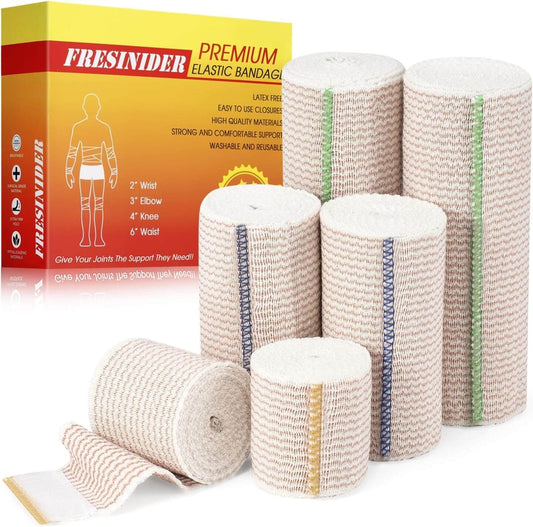
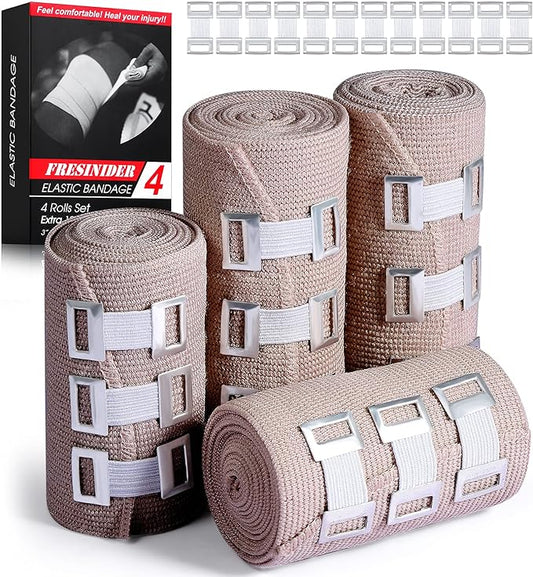
- Paste bandages / tubular bandages: medicated or plain wraps that cover limbs or body parts to protect skin and help emollients work better.
- Dry wrapping: heavy emollient plus a dry bandage or clothing layer, useful for bedtime or kids who scratch a lot.
- Hydrocolloid bandages: small, self-adhesive patches for localized, weeping or excoriated areas.
Think of hydrocolloid bandages as a niche tool in the toolkit—best for small, stubborn, weeping spots, not a whole-body treatment.

FRESINIDER Hydrocolloid Wound Care
- Maintains a moist, protective environment that supports faster healing
- Absorbs exudate, cushions the wound, and reduces friction/irritation
- Soft, conformable & skin-friendly—easy to apply and remove
Trusted, comfortable hydrocolloid care for everyday cuts, blisters & post-care.
8. FAQs about hydrocolloid bandages for eczema
Can hydrocolloid bandages cure eczema?
No. Eczema is a chronic inflammatory skin condition with genetic and immune components. Hydrocolloid bandages do not treat the underlying inflammation; they only support healing of damaged skin and may reduce scratching in a specific spot.
Are hydrocolloid bandages safe for children with eczema?
They can sometimes be used on children for small areas, but because kids have more sensitive skin and a larger skin-surface-to-body-weight ratio, you should always ask a pediatric dermatologist before using occlusive dressings, especially together with topical steroids.
Can you use hydrocolloid bandages on the face?
Occasionally, dermatologists may use thin hydrocolloid dressings on facial dermatitis or atopic eczema, but this is a delicate area with high cosmetic impact. Never self-treat extensive facial eczema with hydrocolloids without professional guidance.
How long should you keep using them?
For a small wound from eczema, you might use hydrocolloid bandages until the surface has re-epithelialized and stopped weeping, then transition back to regular emollients and anti-inflammatory treatment. For chronic recurrent spots, your clinician may suggest cycles of use. Consistent follow-up is key.
9. Take-home points
- Hydrocolloid bandages can be helpful for some people with eczema, especially for small, weeping, scratched-open lesions that need protection and moist healing.
- They should be used as part of a broader eczema plan, not instead of basic care like emollients, trigger management, and appropriate anti-inflammatory medications based on current eczema guidelines.
- Avoid hydrocolloids on suspected infections, very dry intact plaques, or large body areas, and be cautious with children and potent steroids.
- Because eczema can vary widely from person to person, the safest approach is to ask your dermatologist:
“I have this specific weeping / scratched area that won’t heal. Would a hydrocolloid bandage be appropriate here, and how should I use it?”
That conversation, plus smart day-to-day care, will do far more for your skin than any single bandage ever could.