
Compression Dressings and Wound Healing

Compression dressings can play an important role in wound healing, especially when swelling and poor venous return are part of the problem. In many cases, compression is used to help manage fluid buildup, support circulation, and create a better environment for recovery.
However, not every wound should be treated the same way. Compression may be helpful in the right setting, but it is not a universal solution for all wounds. Understanding when it is commonly used, how it helps, and when extra caution is needed can make this topic much easier to understand.
What Are Compression Dressings?
Compression dressings are wraps, bandages, or multi-layer systems designed to apply controlled pressure to an area, most often the lower leg. Their main purpose is to help reduce swelling, support venous blood flow, and improve the local healing environment when fluid buildup is slowing recovery.
In wound care, compression is most often discussed in connection with venous leg ulcers and lower-leg edema. In these situations, the dressing itself is only one part of the plan. The pressure created by the wrap or bandage is what helps address the circulation problem underneath.
Compression is most commonly used in patients with venous leg ulcers and lower-leg swelling linked to venous insufficiency. In these cases, the goal is not only to cover the wound, but also to improve the conditions that may be contributing to delayed healing.
How Compression Can Support Healing
When swelling builds up in the lower leg, healing can become slower and more difficult. Compression helps by gently squeezing the area in a controlled way, which can support venous return and reduce excess fluid in the tissues. In the right patients, this may help reduce discomfort, improve local circulation, and support wound recovery over time.
If you want more background on how support wraps are often used for vein-related leg concerns, you can also read our guide to wrap support for vein-related leg discomfort.

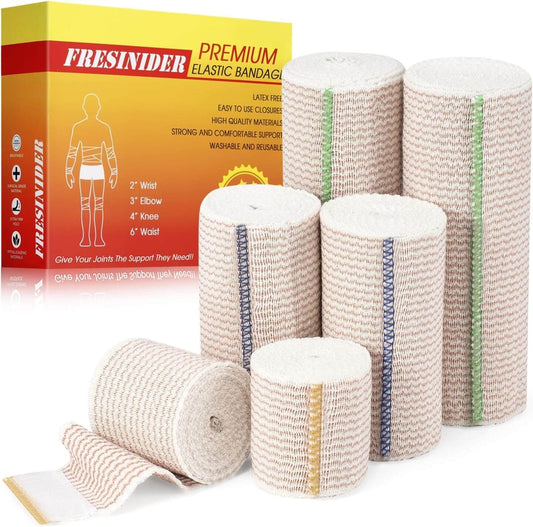
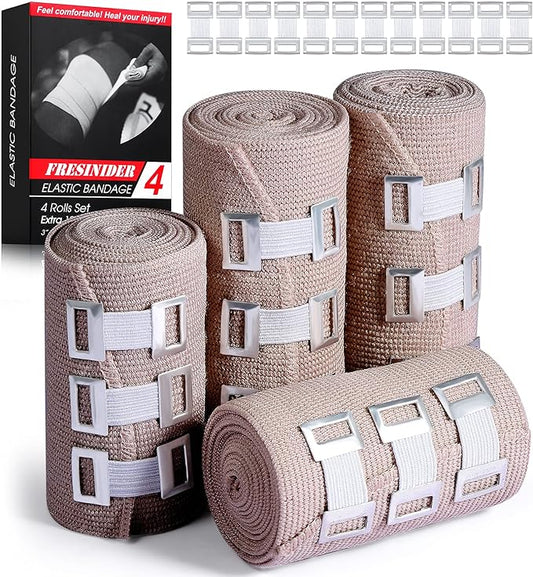
FRESINIDER Elastic Bandage
Ideal for compression in RICE — provides snug, adjustable support for ankles, wrists & more
Velcro closure for easy fit — quick on/off and easy to adjust without clips
Soft, breathable, latex-free — comfortable for sensitive skin
Reusable & washable — convenient for home, gym, and travel
Does Compression Help Every Wound Heal Faster?
No. Compression is most useful when the wound is related to venous problems, swelling, or fluid overload in the lower leg. It is not automatically the right choice for every wound, and it may be inappropriate in some situations, especially when arterial disease or poor blood supply is a concern.
This is why compression should be matched to the cause of the wound rather than used as a one-size-fits-all answer.
When Extra Caution Is Needed
Compression may not be suitable for everyone. If a person has poor arterial circulation, unusual pain, numbness, major skin fragility, or an unclear diagnosis, medical evaluation is important before starting compression. Applying pressure in the wrong situation can sometimes do more harm than good.
If you want a simpler patient education resource, this patient-friendly overview of treatment options explains how compression bandages are commonly used in venous leg ulcer care and why trained application matters.
Compression Dressings vs. Regular Wound Dressings
A regular wound dressing is usually meant to protect the wound bed, manage drainage, and support a moist healing environment. Compression dressings or wraps serve a different purpose: they help manage swelling and support circulation.
In many real-world cases, both are used together. A wound may need an appropriate primary dressing over the wound surface, while compression is applied over it to help address the underlying venous issue.
Common Benefits When Used Appropriately
- May help reduce lower-leg swelling
- Can support venous return
- May improve comfort in some patients
- Can help create a better healing environment
- Often used as part of venous leg ulcer care
What Patients and Caregivers Should Watch For
Even when compression is appropriate, comfort and monitoring still matter. If someone develops unusual pain, tingling, numbness, coldness, color change, or worsening swelling after compression is applied, the area should be reassessed promptly.
Chronic or hard-to-heal lower-leg wounds can also signal a deeper circulation issue rather than just a surface skin problem. If that is relevant to your audience, you may also want to point readers to this article on why lower-leg wounds may heal slowly.
How This Topic Fits Everyday Support Wraps
For general readers, it helps to understand that not every support wrap is a medical compression system for venous ulcers. Some products are used more broadly for support, stability, and light compression in everyday recovery settings. The best option depends on the body area, the reason for use, and whether a clinician has recommended true therapeutic compression.
That distinction matters because people often search for “compression dressings wound healing” when what they really need is a better understanding of wound cause, swelling, and when a supportive wrap may or may not be appropriate.
Final Thoughts
Compression dressings can be very helpful for wound healing in the right setting, especially when venous insufficiency and swelling are contributing factors. But compression is not the right answer for every wound, and proper assessment matters.
The most useful takeaway is simple: compression may support healing when it matches the wound type and the person’s circulation status. Used appropriately, it can be part of a broader plan that supports better recovery.
This article is for educational purposes only and is not a substitute for professional medical advice, diagnosis, or treatment.